Overview
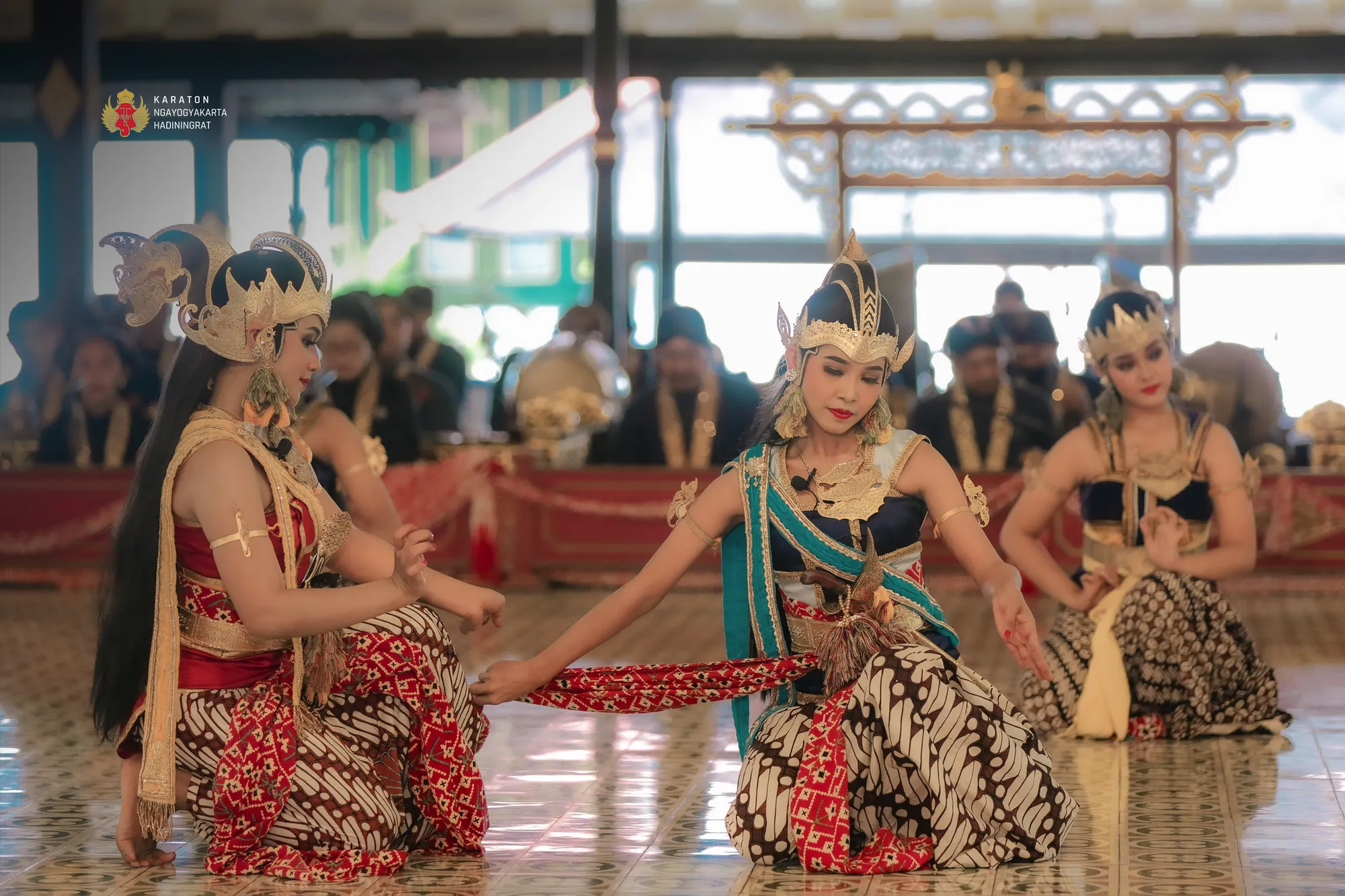
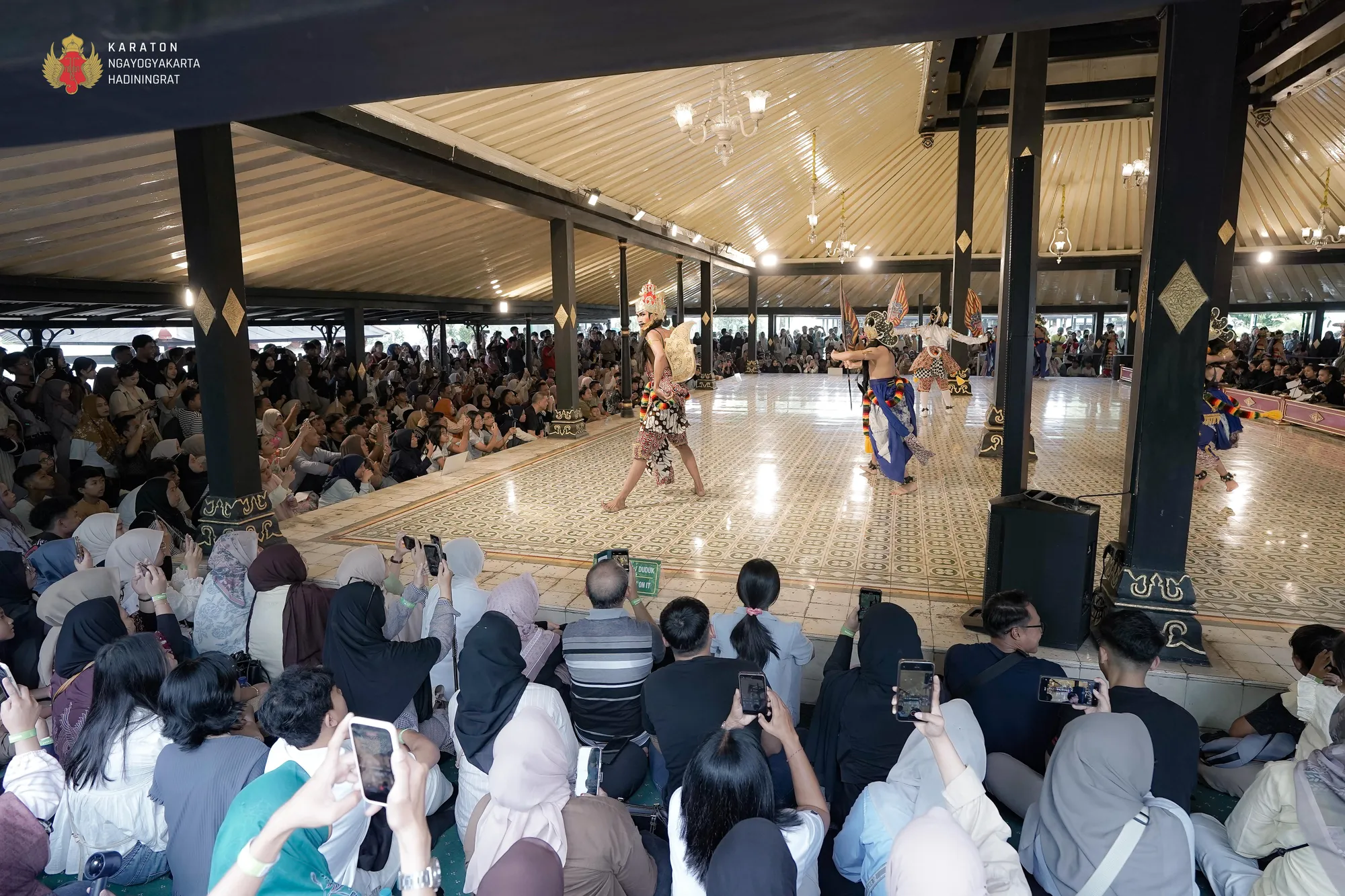
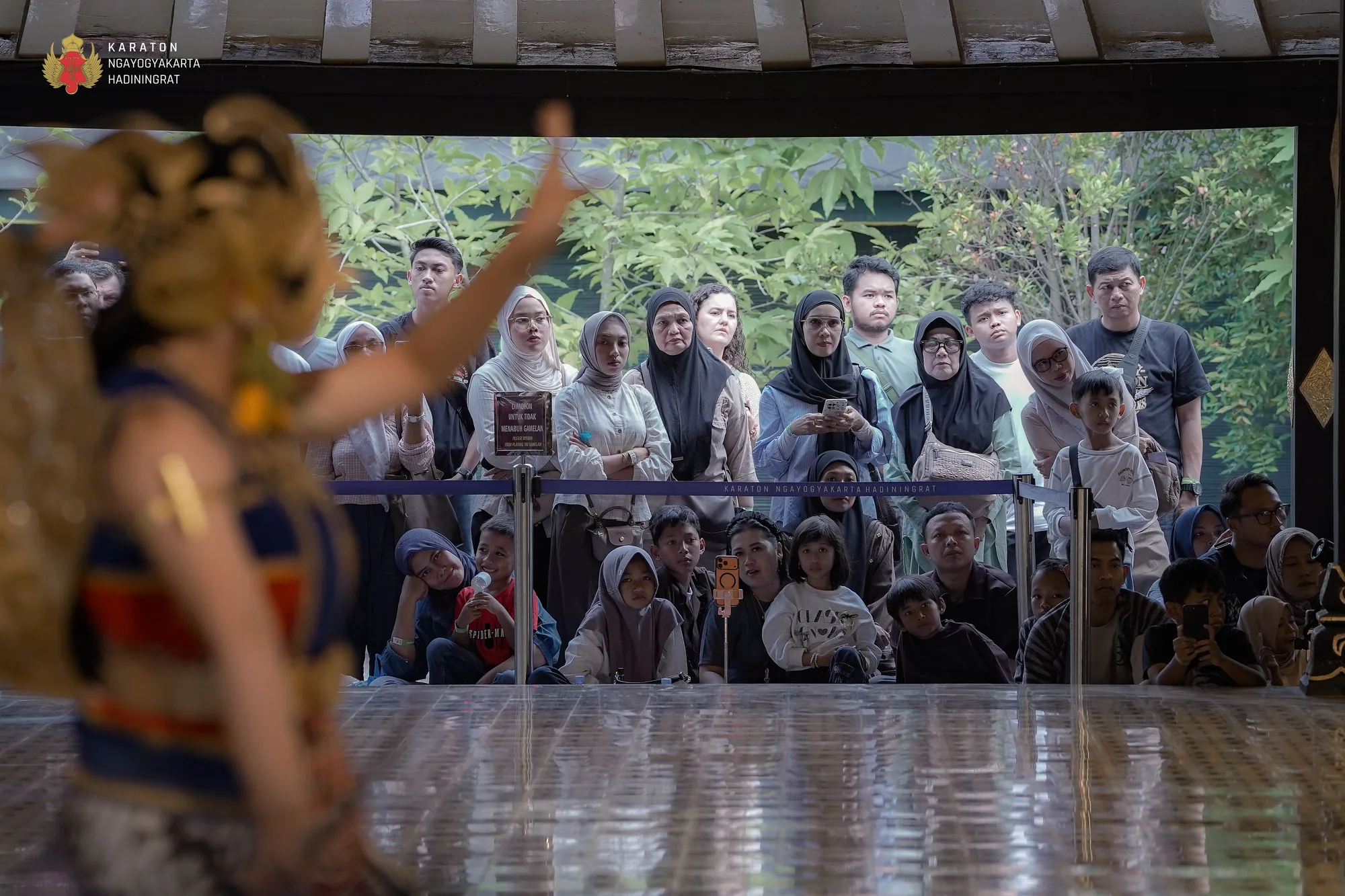
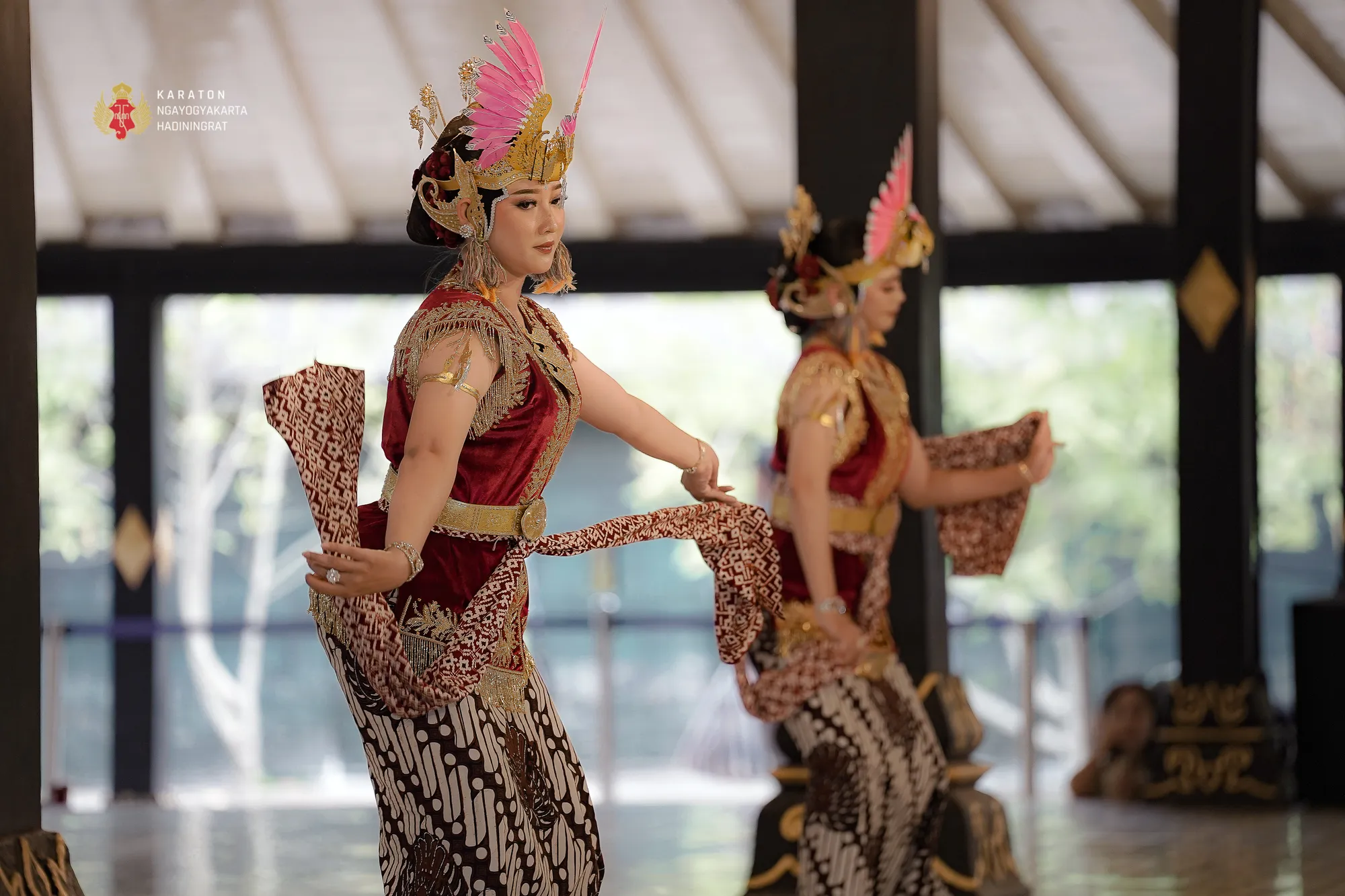
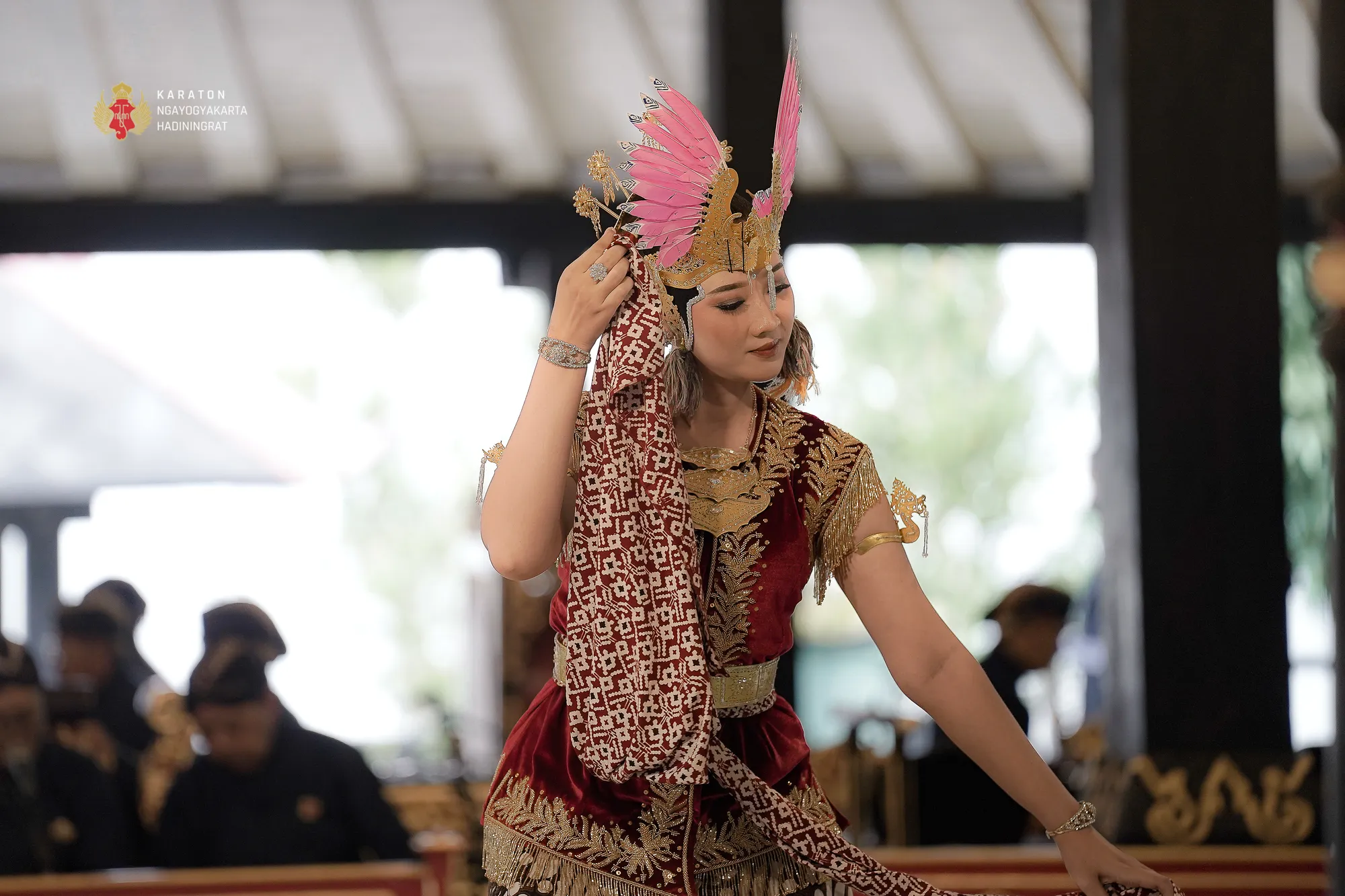
The performances at Bangsal Srimanganti, Keraton Yogyakarta Hadiningrat, are part of a curated "Tourism Package" that actively involves various art studios (sanggar) and communities from across the Special Region of Yogyakarta (City, Bantul, Sleman, Gunungkidul, and Kulon Progo). These performances are not merely a routine for internal preservation, but rather represent an inclusive cultural ecosystem. This initiative serves as a strategic platform for local art groups to showcase and preserve the Yogyakarta-style traditions within the prestigious setting of the Palace.
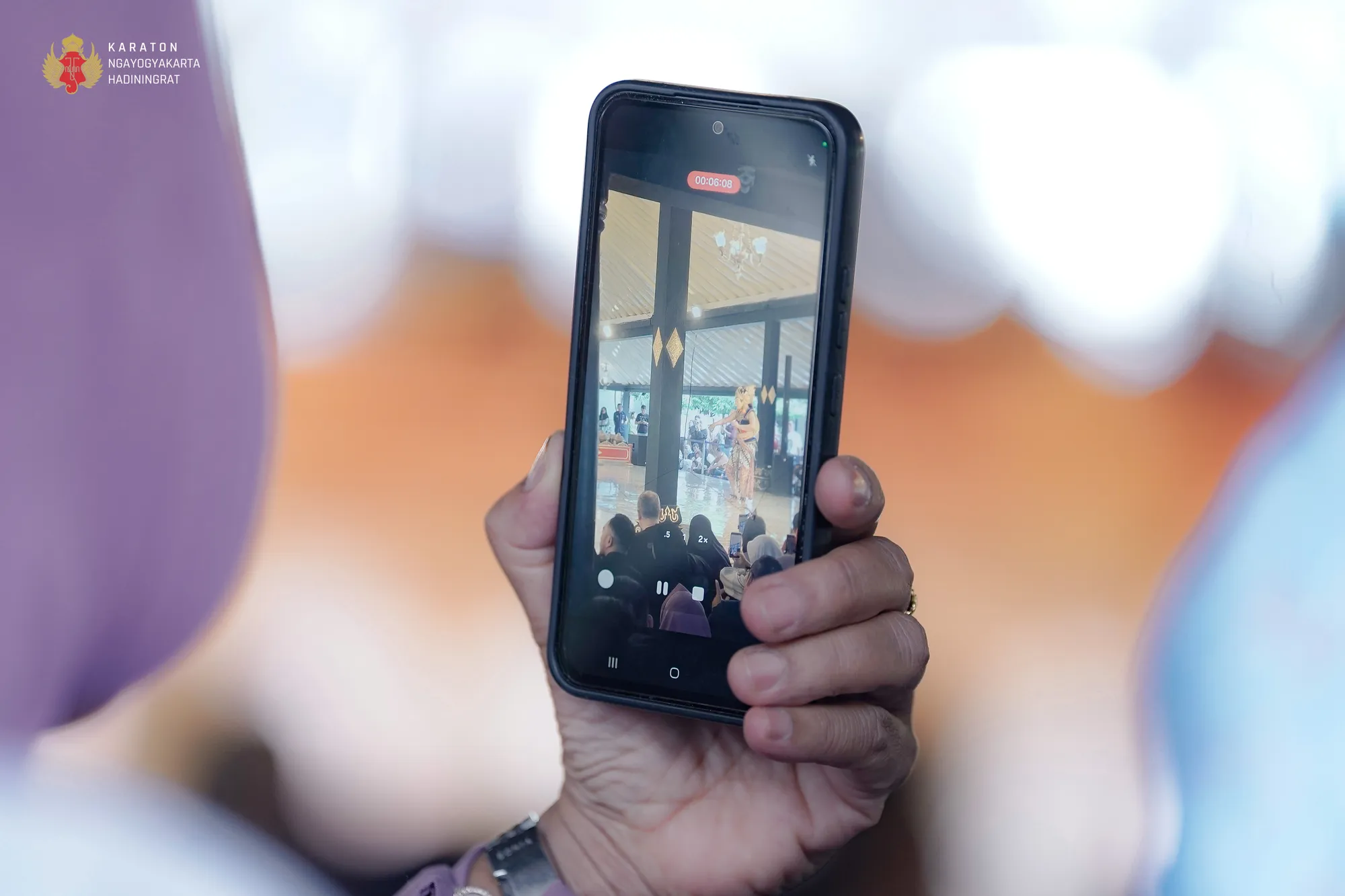
As an integral part of Yogyakarta’s tourism appeal, these regular performances offer an authentic cultural experience for both international and domestic visitors. By bridging the gap between the Palace’s noble traditions (adiluhung) and community participation, Bangsal Srimanganti ensures that the pulse of Yogyakarta's arts remains alive and relevant for future generations.
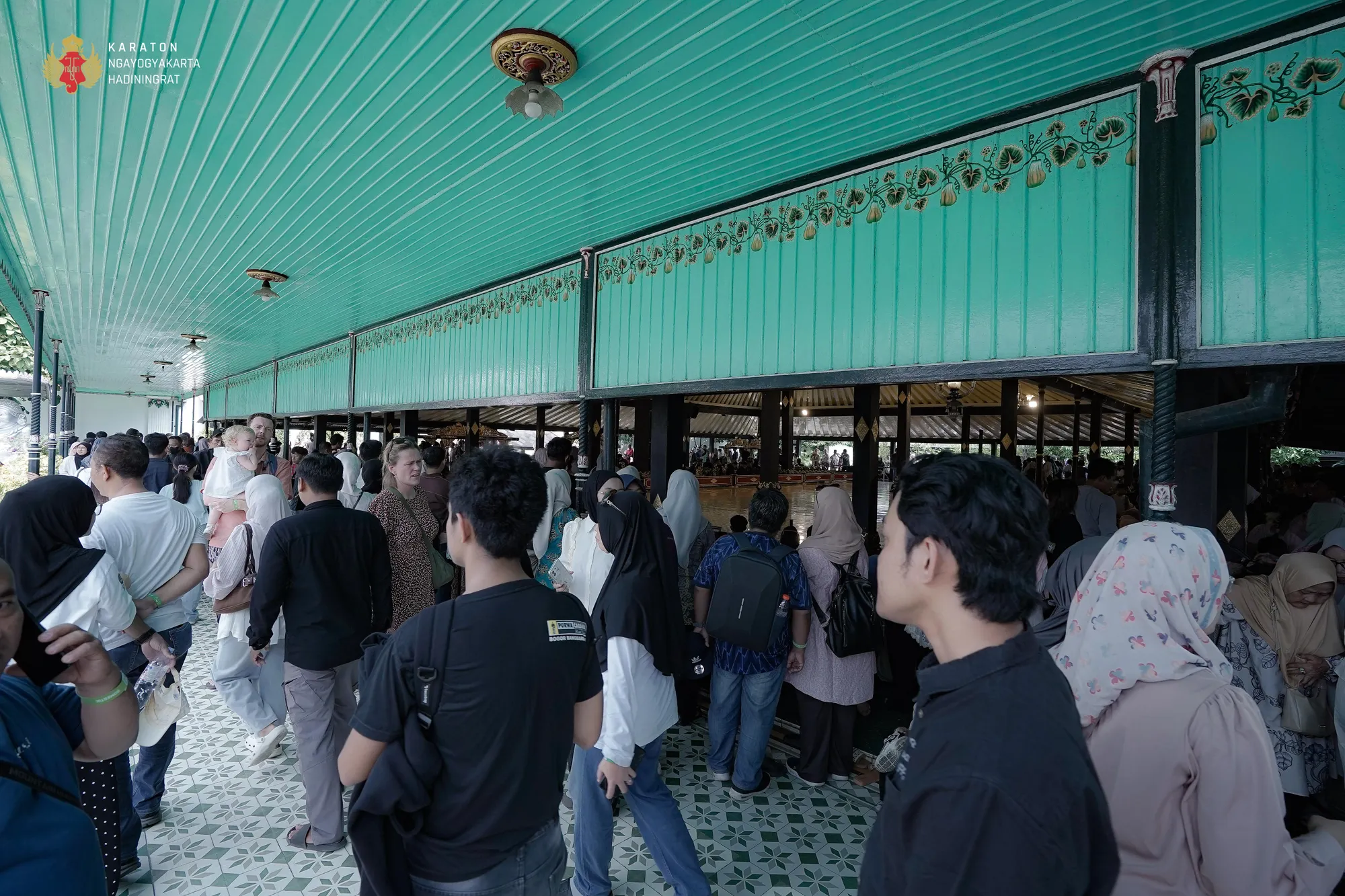
Schedule: Visitors can witness these performances every Tuesday to Sunday, from 09:00 AM to 11:00 AM at Bangsal Srimanganti, Keraton Ngayogyakarta Hadiningrat.
Thematic & Regenerative Focus: The performances are thematic and flexible, adapting to specific moments. For instance, in July (celebrating National Children's Day), the schedule is dedicated to the youth. During this month, performances ranging from Gamelan (karawitan), Shadow Puppetry (wayang kulit), Macapat, to Wayang Wong are primarily presented by children and students (Elementary to Junior High School) from across the region. This serves as a vital platform for cultural regeneration, instilling a love for local heritage from an early age, and providing a stage of honor for young talents to perform at the heart of Javanese culture.
The Etymology of Srimanganti
The name "Srimanganti" is derived from two Javanese words:
-
"Sri": An honorific title referring to the King or prosperity.
-
"Manganti": Meaning to wait or to anticipate (menanti-nanti). Literally, Srimanganti translates to "a place to await the King or honored guests." This name perfectly reflects the hall’s primary function in the past.
History and Function The Srimanganti Hall (Bangsal Srimanganti) is one of the main structures within the Keraton Yogyakarta complex, holding deep historical and philosophical significance.
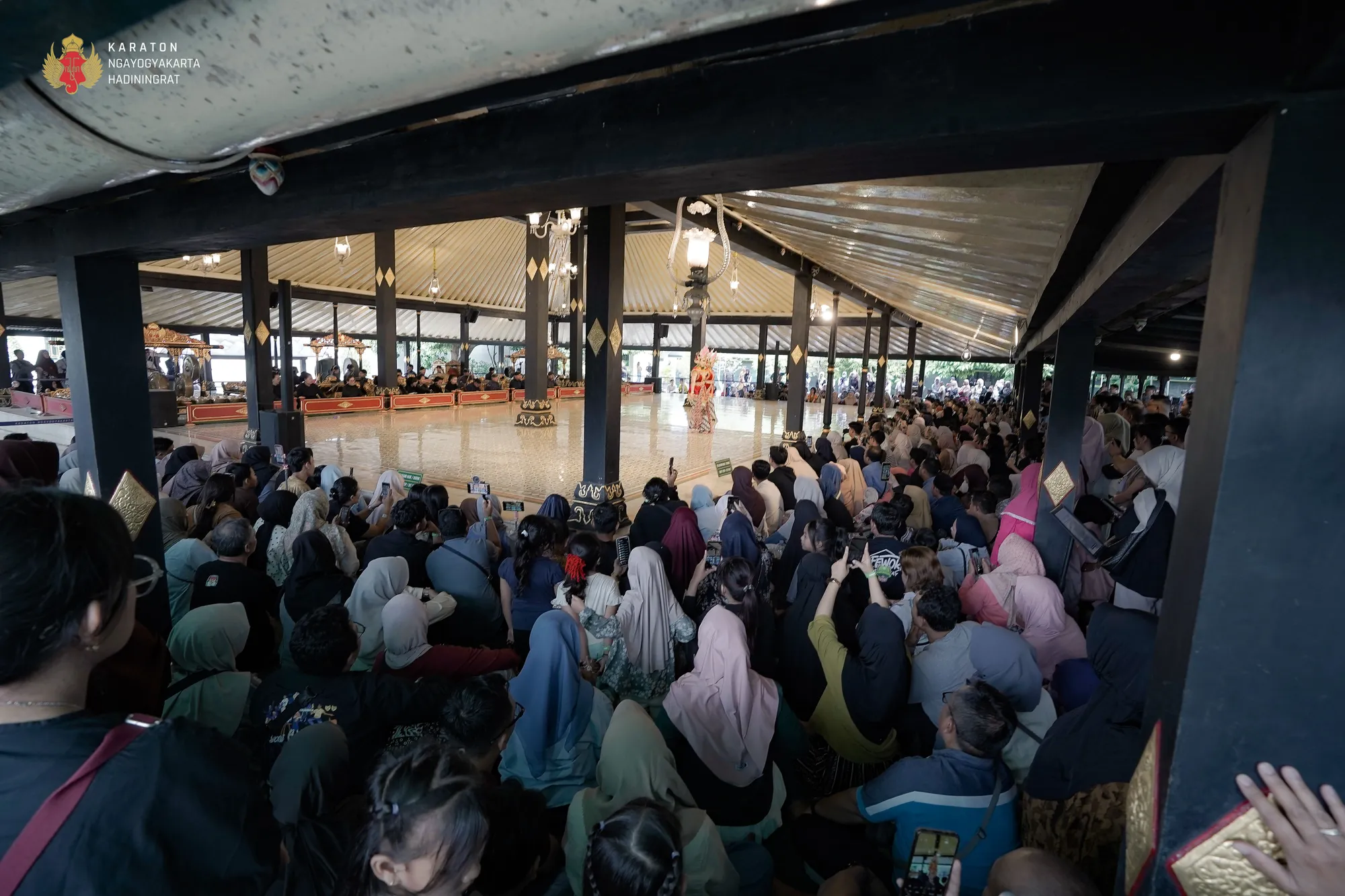
Historical Function: In the past, Bangsal Srimanganti served as a reception area for distinguished guests, high-ranking officials, and ambassadors from other kingdoms visiting the Keraton. These guests would wait in this hall before being granted an audience with the Sultan in the inner court. This practice highlights the importance of etiquette and hierarchy in Javanese court protocol.
Architecture and Construction: Constructed from solid teak wood, the building features the distinct Joglo Mangkurat architectural style, showcasing the elegance of Javanese aesthetics. The floor is adorned with vintage patterned tiles, adding a classic and authentic atmosphere. As an integral part of the palace complex, Srimanganti was established during the initial construction of Keraton Yogyakarta by Sri Sultan Hamengku Buwana I in 1755.
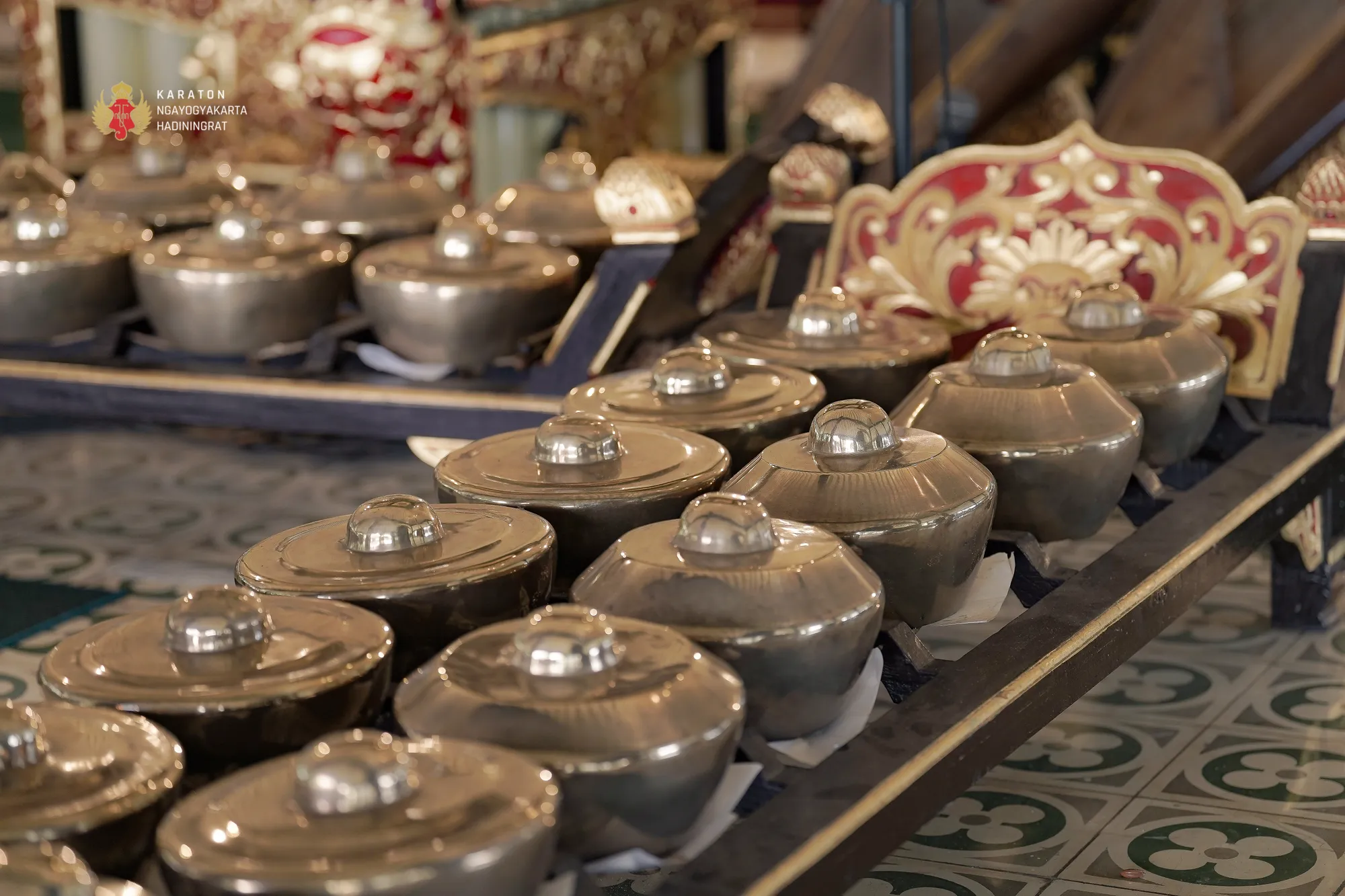
The Sangumukti Gamelan belongs to the Gangsa Ageng category, which refers to a large and complete gamelan set commonly used in important royal ceremonies at the palace. It was created during the reign of Sri Sultan Hamengku Buwono X. This gamelan is one of the artistic creations produced under Sultan Hamengku Buwono X's rule, symbolizing the continuity of the gamelan tradition within the palace. Kanjeng Kyai Sangumulya is one of the 21 sacred gamelan sets owned by the Yogyakarta Palace.
Not much different from the Gangsa Kanjeng Kyahi Sangumukti, this gamelan was created during the reign of Sri Sultan Hamengku Buwono X in 1998. It is tuned in the pelog scale and is used to accompany various performances such as beksan (dance), wayang kulit (shadow puppetry), wayang golek (rod puppetry), and uyon-uyon (gamelan concert).
These performances are part of a curated "Tourism Package" which is dedicated to preserve and disseminate the richness of Javanese Art culture to the tourists and wider public.
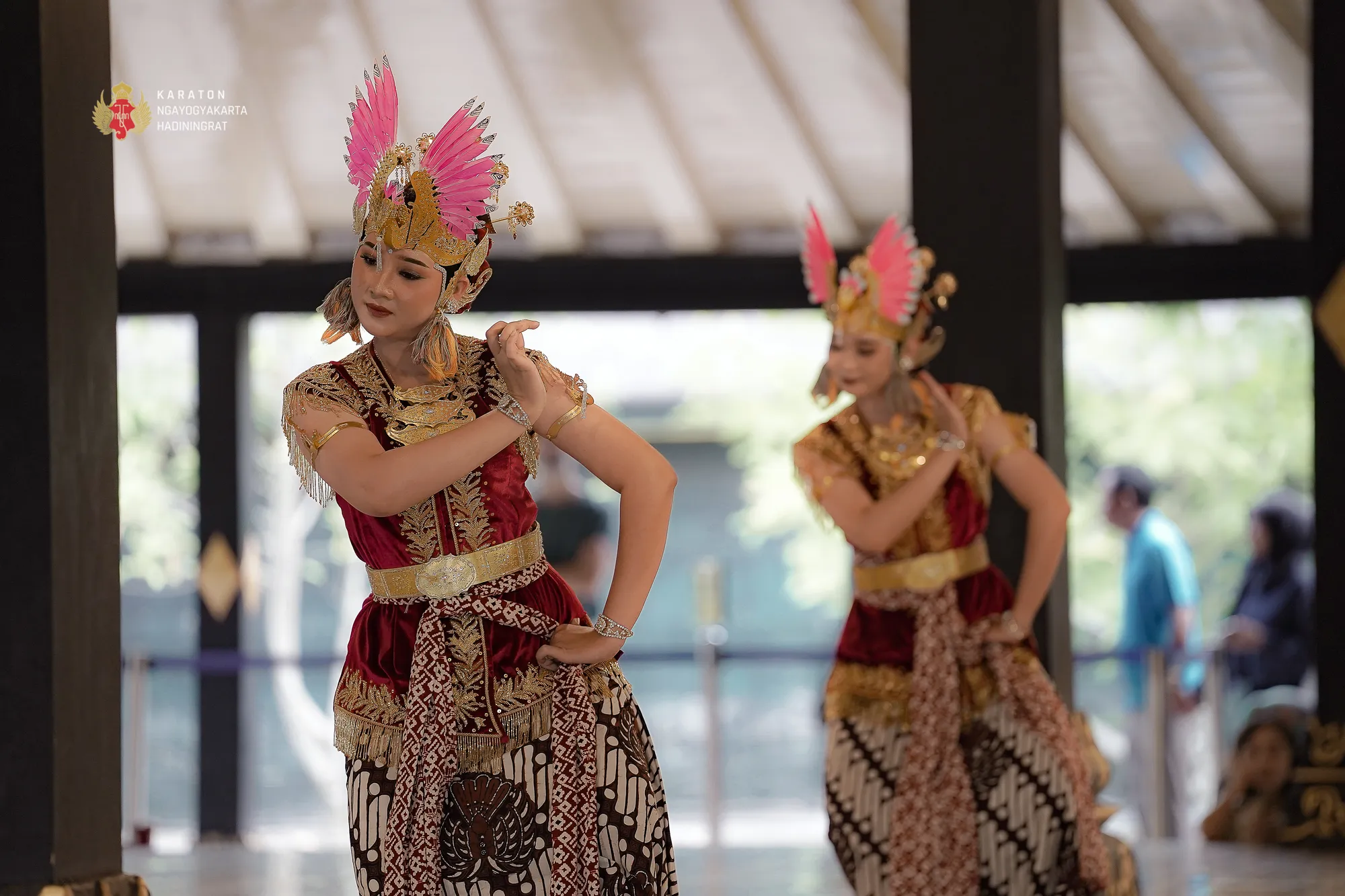
Uyon-Uyon & Dance is a performance featuring Gamelan music (Karawitan) and classical dance. It presents traditional musical compositions (gending) and dances in the Yogyakarta Royal Court style.
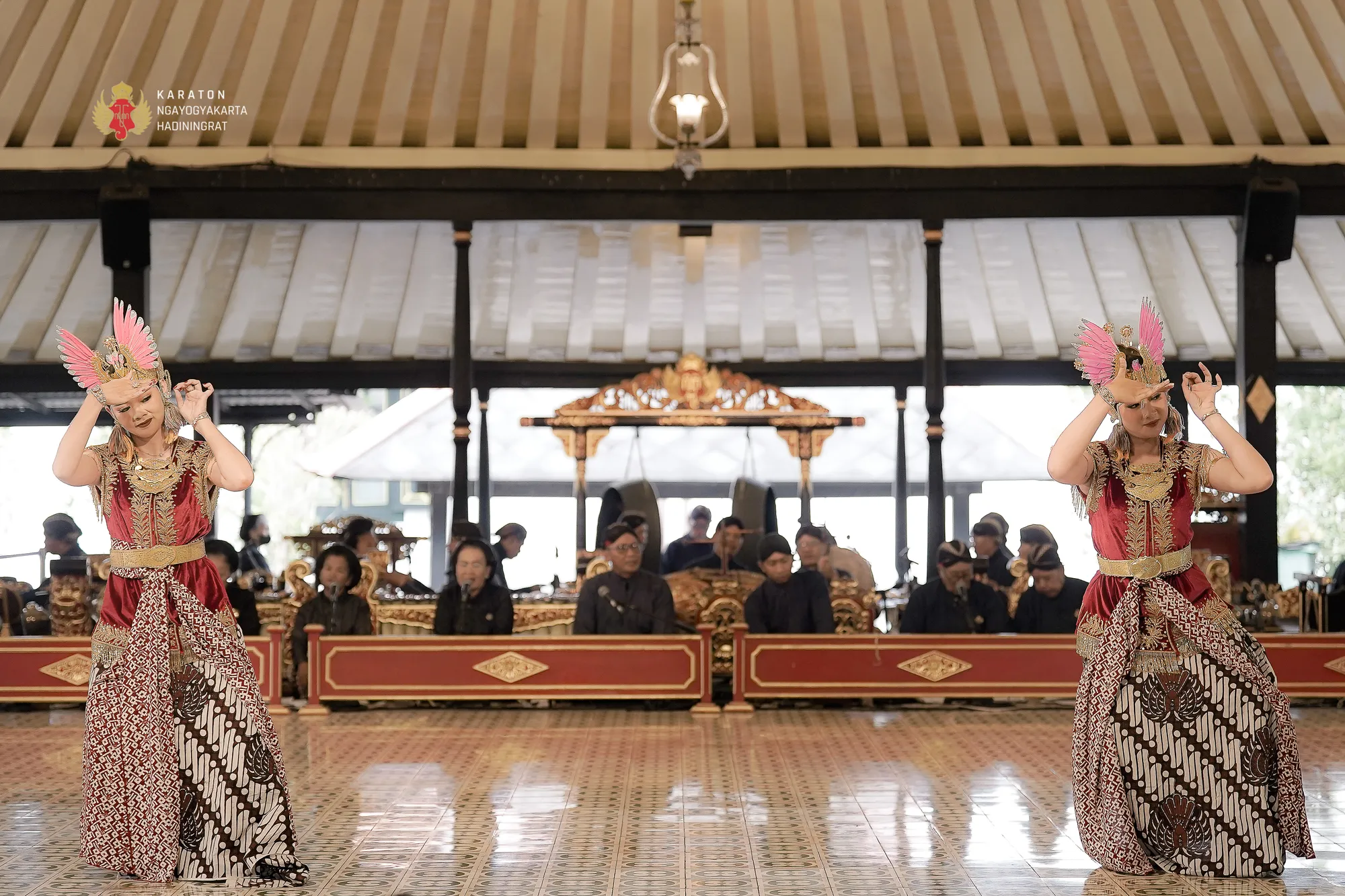
Uyon-uyon is a form of classical gamelan music performance that has developed and been preserved across generations within the Yogyakarta Palace. More than just an artistic presentation, uyon-uyon is a cultural expression deeply intertwined with spiritual values, etiquette, and the philosophy of Javanese life. In a calm and solemn atmosphere, the gendhing (gamelan compositions) are performed in a structured and sacred manner, serving as a medium for emotional reflection, contemplation, and reverence for the Creator and the ancestors. Uyon-uyon performances are typically held during various royal ceremonies, such as Sekaten, Garebeg, Jumenengan Dalem (the Sultan’s coronation), and Tingalan Dalem (the Sultan’s birthday commemoration). The gamelan ensemble used consists of a complete set of traditional instruments, played by abdi dalem karawitan (palace musicians) and trained gamelan groups from around Yogyakarta, accompanied by sindhen (female vocalists) and gerong (male chorus). The tuning systems used—slendro and pelog—create a distinctive musical color, evoking a refined and orderly emotional atmosphere. Through uyon-uyon, the Yogyakarta Palace not only preserves the continuity of a noble cultural heritage but also conveys the moral messages and Javanese philosophy that emphasize the harmony of feeling (rasa), creativity (cipta), and will (karsa). For both locals and visitors, listening to uyon-uyon offers a profound journey into the timeless depth of Javanese culture.
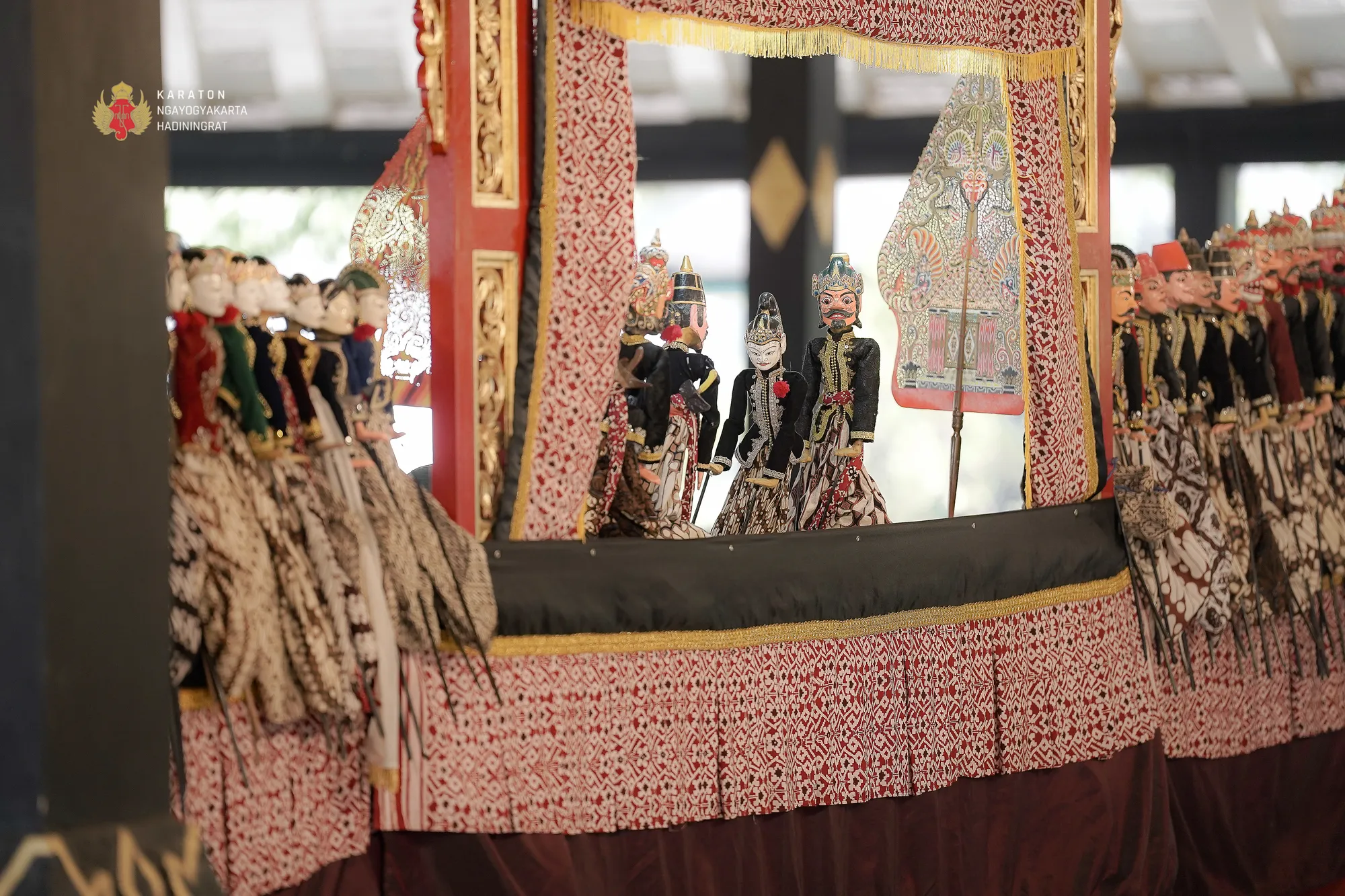
Wayang Golek, often referred to as Wayang Golek Menak Yogyakarta, is a wooden puppet performance based on the stories of the Serat Ménak. Serat Ménak originates from the Persian literary work Qisaa’I Emr Hamza, which arrived in the Malay region around 1511. This literature was subsequently developed into a prose narrative titled Hikayat Amir Hamzah.
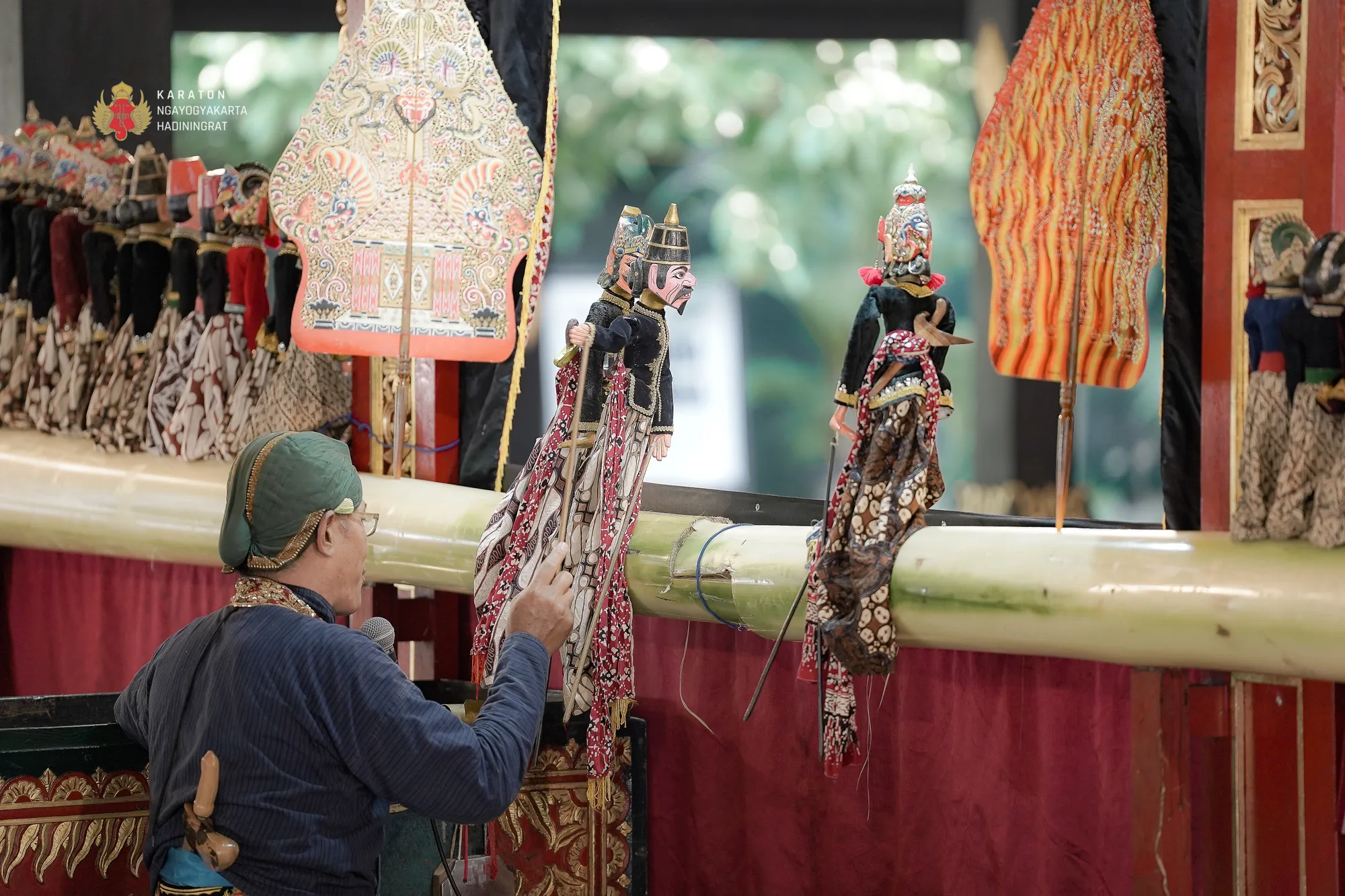
Wayang Golek Menak is a traditional puppet performance that developed within the Yogyakarta Palace. Unlike the Sundanese wayang golek, which typically features stories from the Mahabharata or Ramayana, Wayang Golek Menak presents tales from the Cerita Menak—heroic narratives centered around Amir Hamzah, the uncle of the Prophet Muhammad (PBUH), as retold in the style of Javanese Islamic literature.
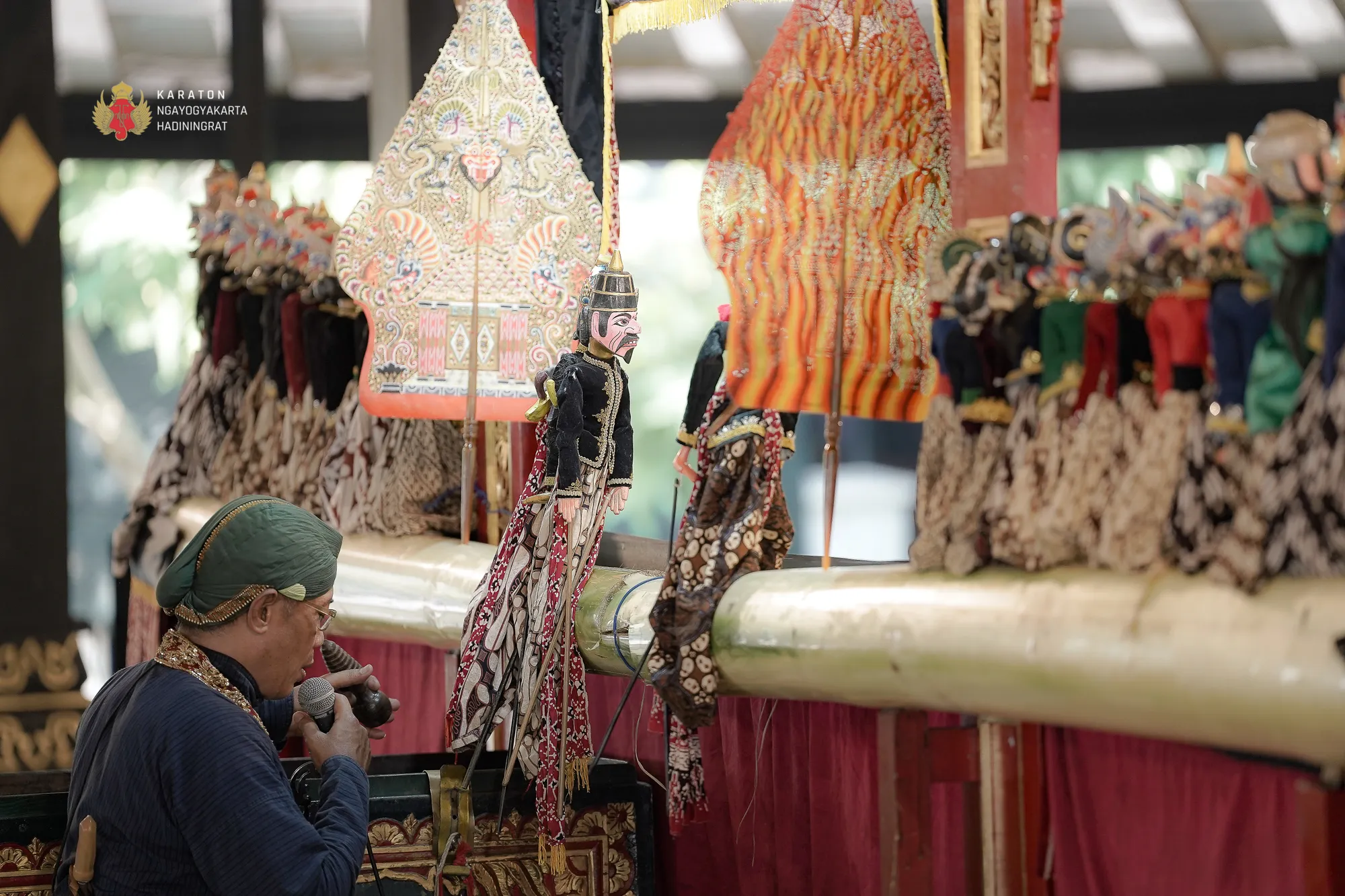
The term golek refers to the three-dimensional wooden puppets, which are hand-carved and manually operated by the dalang (puppet master). In the Yogyakarta Palace, these puppets are distinct, with facial features and costumes reflecting Islamic royal characters portrayed through refined Javanese aesthetics. The puppets and stage design exhibit the elegant and symbolic artistic sensibilities of the palace tradition.
Wayang Golek Menak serves not only as entertainment but also as a medium for religious teaching (dakwah), moral education, and the promotion of heroic values. Through the character of Amir Hamzah and his adversaries, the performances emphasize themes of resistance against tyranny, loyalty, courage, and spiritual devotion. The Cerita Menak is traditionally written in tembang macapat form, and during performances, the dalang often chants the verses in song.
In the Yogyakarta Palace, Wayang Golek Menak was historically performed during important occasions, such as welcoming esteemed guests or celebrating royal holidays. The palace still maintains a complete collection of classic wayang golek puppets and continues to preserve the tradition through periodic performances and cultural education for younger generations.
By preserving Wayang Golek Menak, the Yogyakarta Palace not only safeguards the richness of Javanese performing arts but also reinforces the unique Islamic-Javanese cultural identity, harmoniously upheld within the palace tradition.
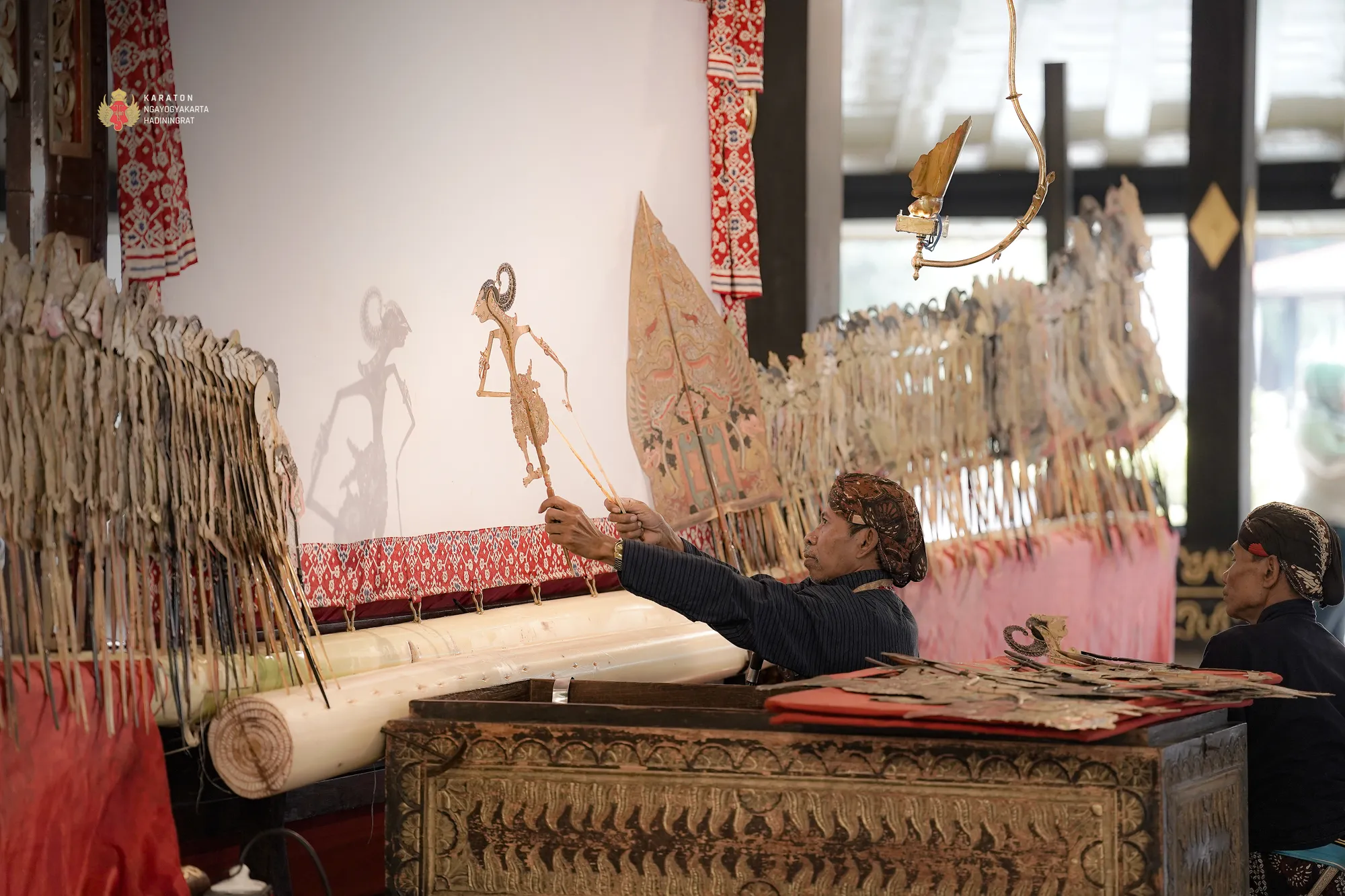
The Yogyakarta style of Wayang Kulit (Gagrag Ngayogyakarta) is distinguished by its unique morphological characteristics, specifically its shape, intricate carving patterns (tatahan), and distinct painting style (sunggingan). The stories performed are derived from the Serat Purwakandha, a monumental Javanese literary work from the Yogyakarta Palace (Keraton), specifically attributed to Sri Sultan Hamengkubuwono V. This literature chronicles a sequence of mythological and historical narratives, ranging from the Creation (Prophet Adam) to the classic Wayang epics of the Mahabharata and Ramayana.
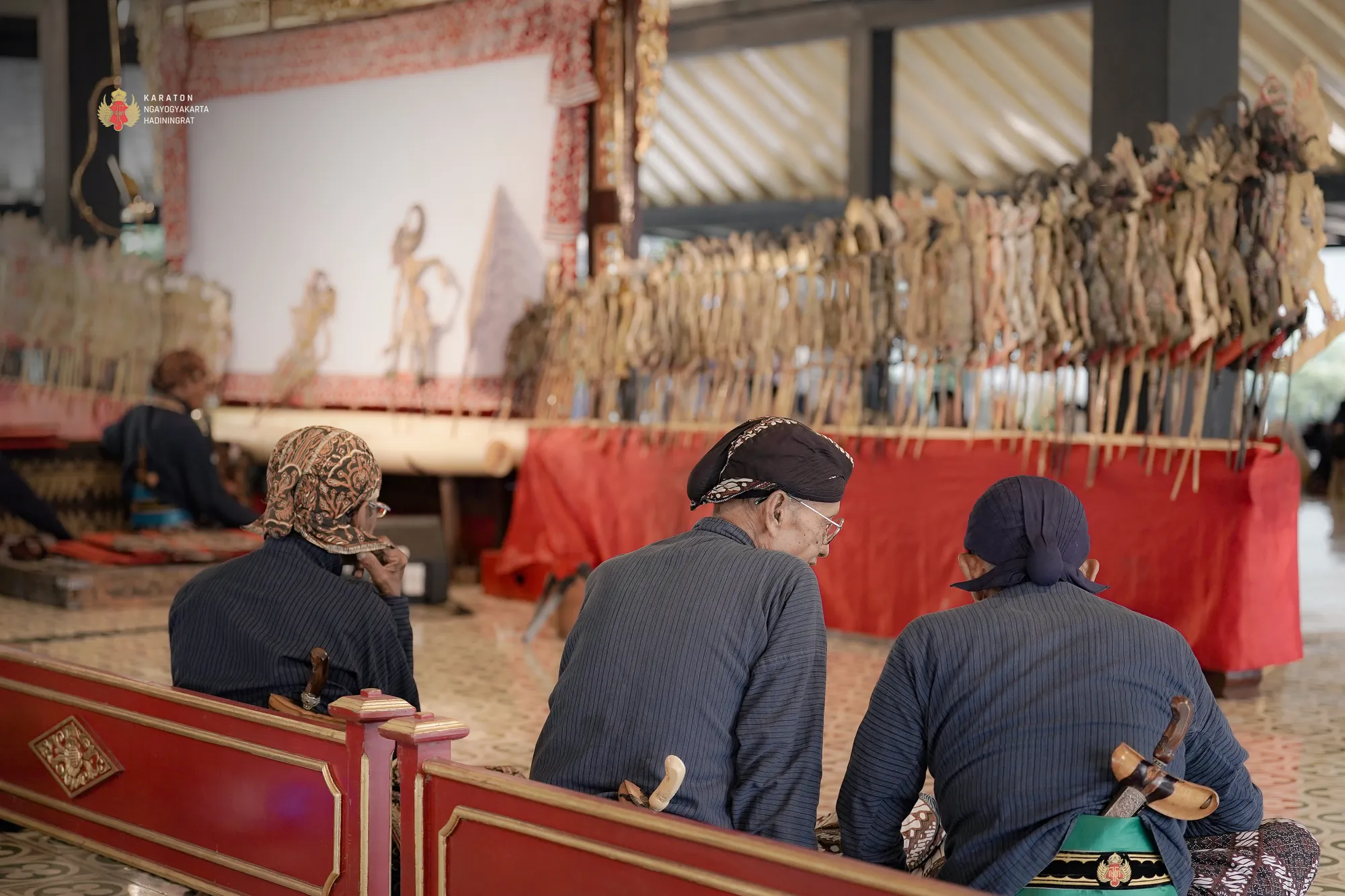
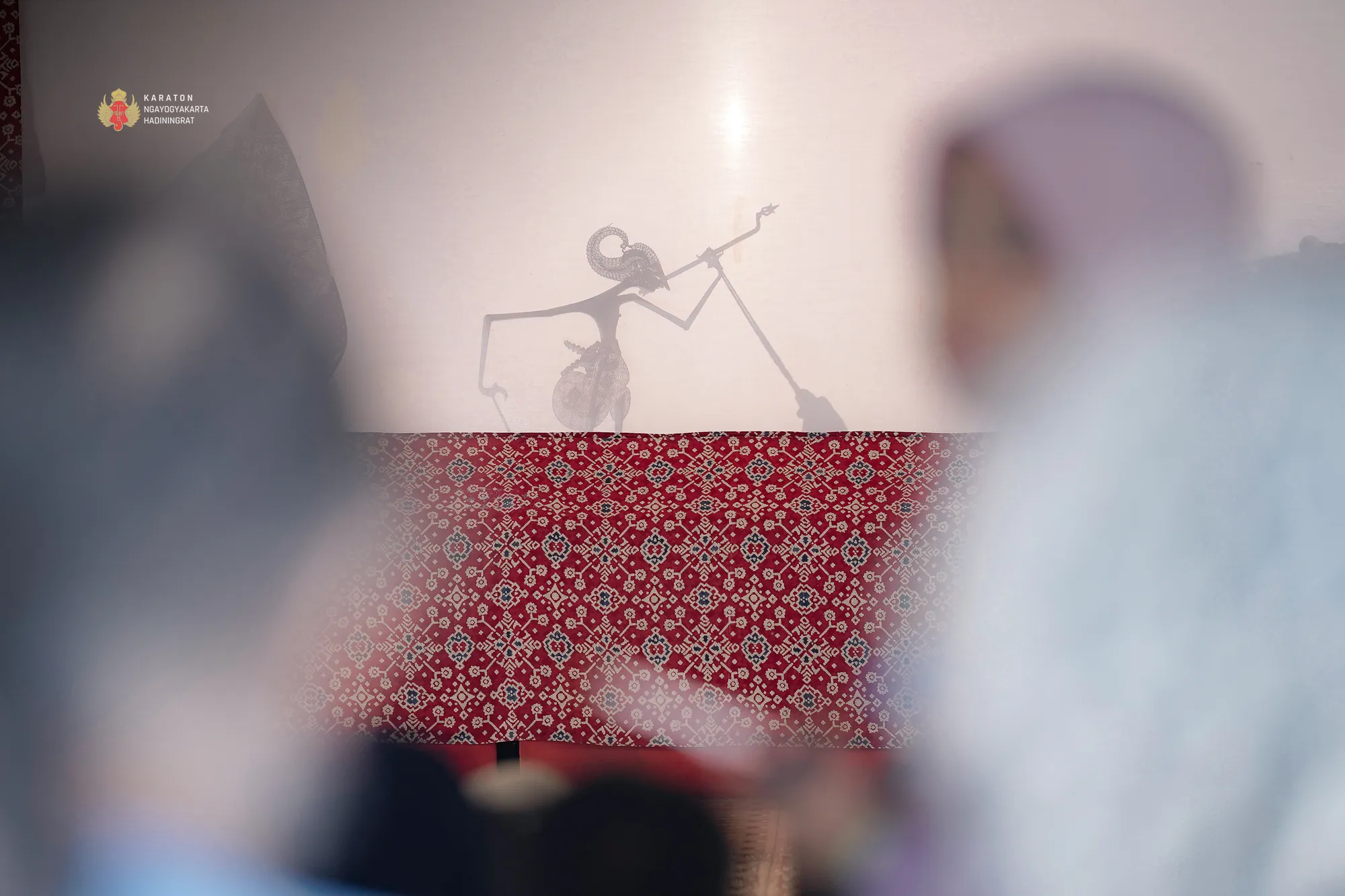
Wayang Kulit is one of the oldest and most sacred forms of traditional performing arts in Javanese culture, holding a significant position in the cultural life of the Yogyakarta Palace. Using flat puppets made of water buffalo hide and operated by a dalang (puppet master) from behind a kelir (white screen), wayang kulit functions not only as entertainment but also as a medium for moral education, philosophy, and spirituality.
Within the Yogyakarta Palace, wayang kulit is an integral part of various traditional ceremonies and important events, such as Tingalan Dalem (the Sultan’s birthday), Jumenengan Dalem (the Sultan’s coronation), and religious celebrations like the Prophet Muhammad’s birthday (Maulid Nabi), performed in the form of Wayang Wahyu. The palace follows specific traditions (pakem) in presenting wayang, including story structure, gamelan accompaniment, dalang techniques, character designs, and costuming, all of which reflect the refined aesthetics and ethical values of the court.
Wayang kulit performances in the palace typically draw from the Mahabharata and Ramayana epics, though interpreted through a distinctly Javanese perspective rich in symbolic meaning. In addition to these, there are also Wayang Purwa and Wayang Wahyu, which respectively convey noble values derived from Hindu and Islamic teachings, both carefully adapted into Javanese cultural context.
The role of the dalang is central to the performance. Beyond moving the puppets and narrating the story, the dalang serves as a transmitter of wisdom, philosophy, and spiritual guidance through layered symbolism and storytelling. Palace dalang are usually drawn from abdi dalem (palace servant) families who have undergone years of spiritual practice and specialized education.
The Yogyakarta Palace also houses a historical collection of wayang kulit, including puppets inherited from former sultans, which are preserved with great reverence. The preservation of wayang kulit continues through cultural education, regular performances, and collaborations with artists and scholars.
By safeguarding this legacy, the Yogyakarta Palace not only upholds a traditional art form recognized by UNESCO as a Masterpiece of the Oral and Intangible Heritage of Humanity, but also voices the local wisdom that harmonizes artistic beauty with the profound values of life.
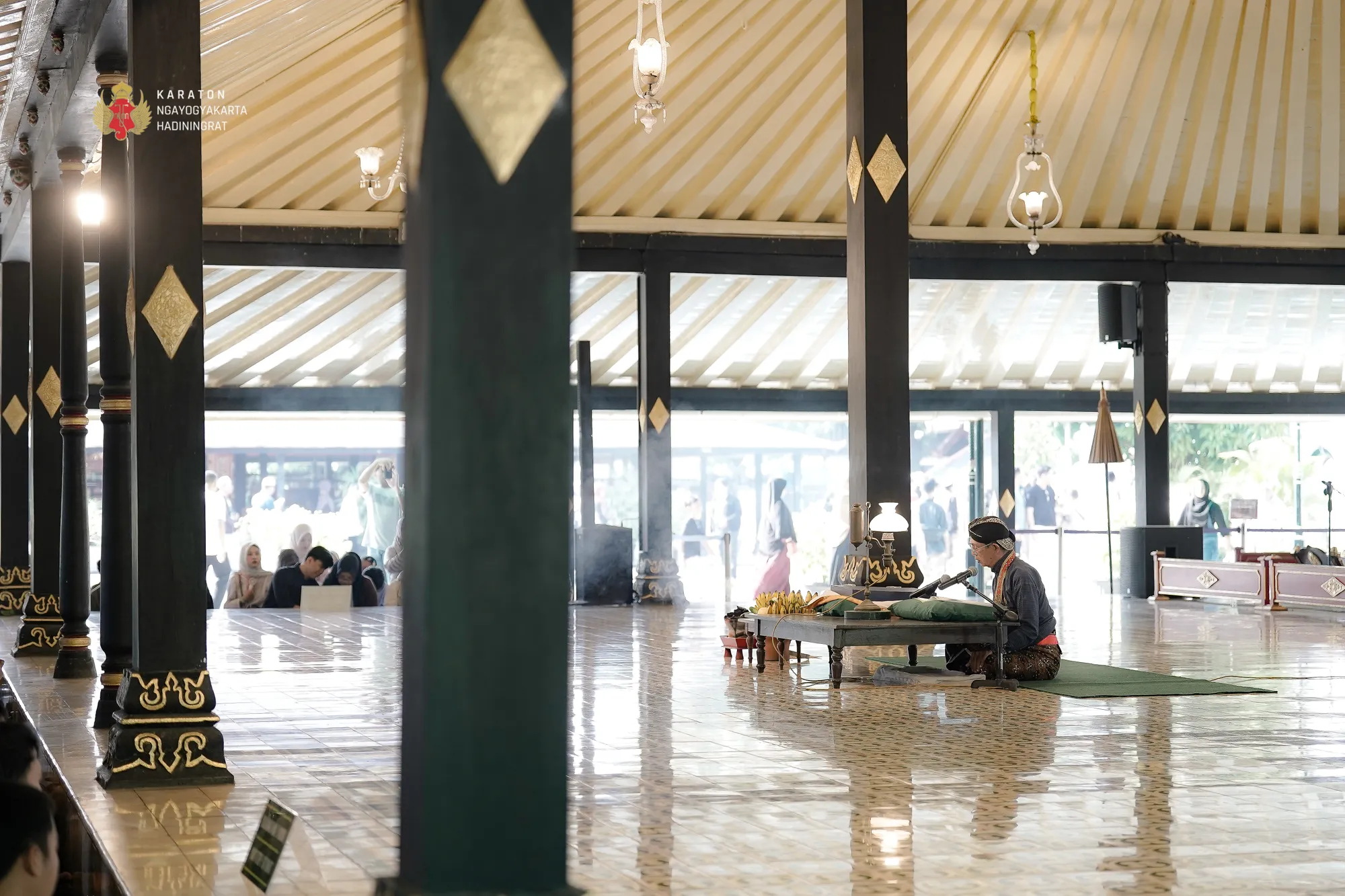
Macapat is a traditional Javanese vocal art involving the chanting of poetry (tembang) that adheres to strict metrical rules known as guru gatra, guru wilangan, and guru lagu. These verses often convey moral advice or ancient narratives.
The stories performed are drawn from the Serat Babad Mentawis, an ancient Javanese chronicle recounting the history of the Mataram Kingdom. Additionally, performances feature the Babad Sri Sultan Hamengkubuwono IX, which chronicles the extraordinary life of Yogyakarta’s 9th Sultan (GRM Dorojatun, 1912-1988). The verses narrate his journey from his independent Dutch-style education to his pivotal role in the struggle for independence, including his decision to integrate with the Republic of Indonesia and his leadership during the General Offensive of March 1, 1949
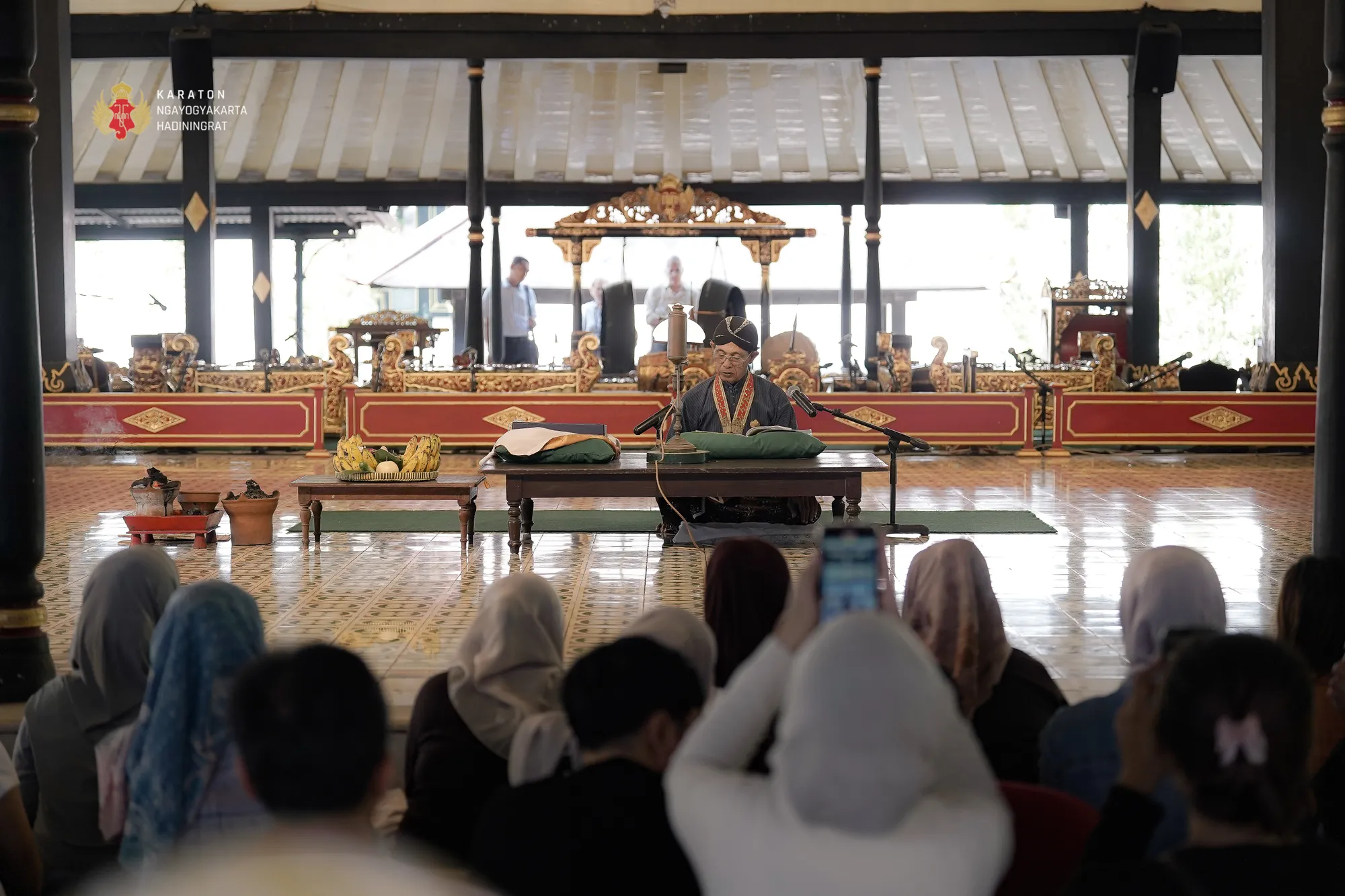
Tembang Macapat is a form of traditional Javanese sung poetry, composed and performed according to specific metrical rules (guru lagu and guru wilangan). Within the Yogyakarta Palace, macapat holds a highly significant position as part of the educational system, spirituality, and the preservation of Javanese cultural values. More than just an oral art form, macapat serves as a medium for transmitting life teachings, philosophy, and proper conduct passed down through generations.
Macapat is typically sung in a calm and reflective setting—whether within palace education, religious rituals, or as part of traditional performances such as beksan (classical dance), wayang golek (rod puppetry), and classical literary presentations. In the palace, tembang macapat forms an integral part of ngudi kawicaksanan—the pursuit of inner wisdom.
Each type of macapat verse has its own character and function. For example:
-
Pangkur expresses the spirit of facing life's challenges.
-
Dhandhanggula symbolizes beauty and the nobility of love.
-
Sinom is often used to teach ethical values to younger generations.
-
Pocung is commonly associated with reflection on the end of life and spirituality.
In the palace, macapat is not only taught orally but is also recorded in ancient manuscripts preserved in the palace library. The tradition is passed on through the education of palace courtiers (abdi dalem), poets, and artists. Macapat songs are performed using soft gamelan tunings, sometimes sung solo (padhang ulun), and at other times combined with specific gendhing (gamelan compositions).
The preservation of tembang macapat at the Yogyakarta Palace continues through cultural activities, workshops, performances, and collaborations with educational institutions such as the Indonesian Institute of the Arts (ISI) Yogyakarta. Through these efforts, the Palace not only safeguards classical Javanese literature but also nurtures moral values, self-reflection, and a deep appreciation for local language and culture in the midst of modern life.
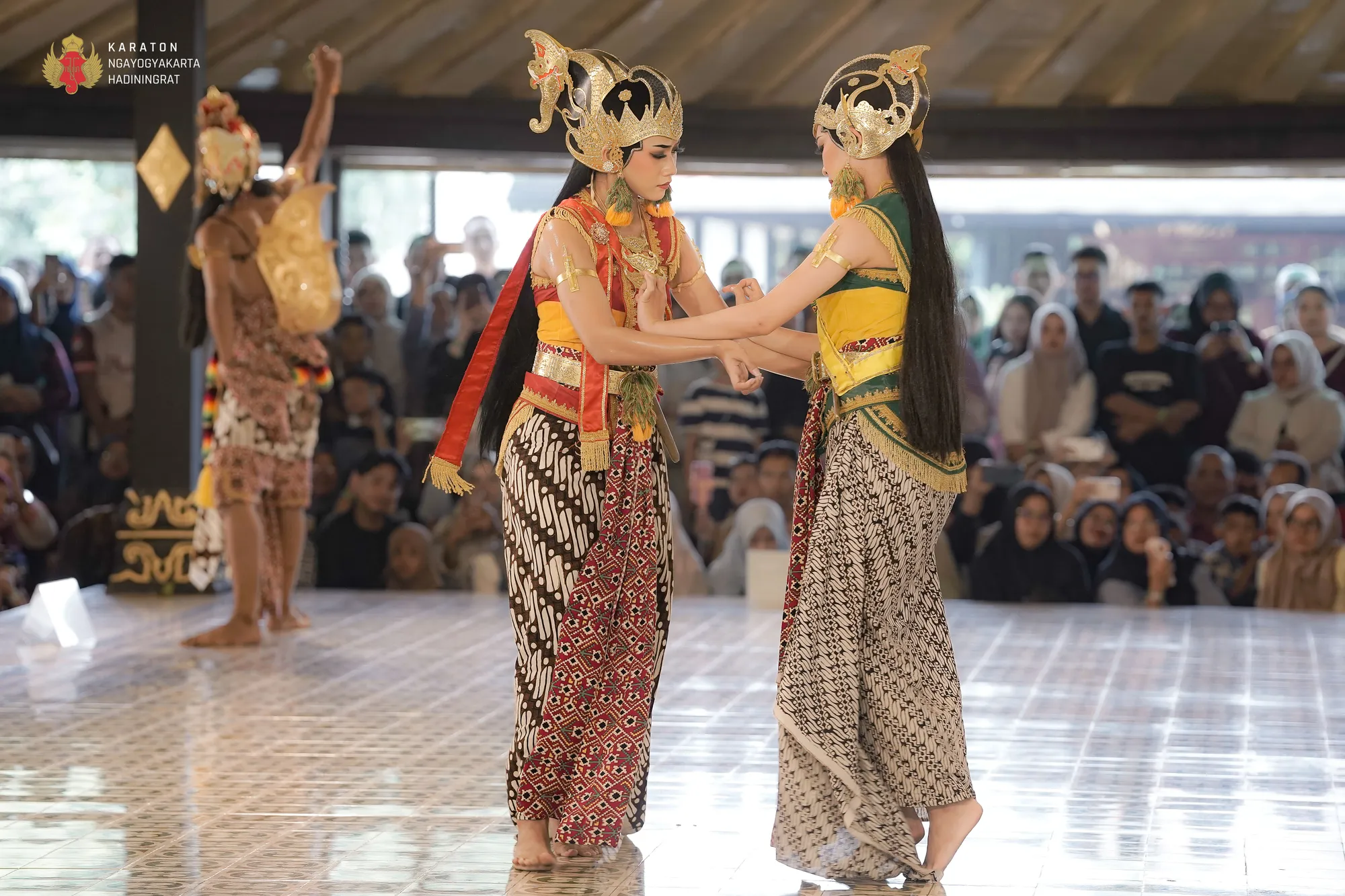
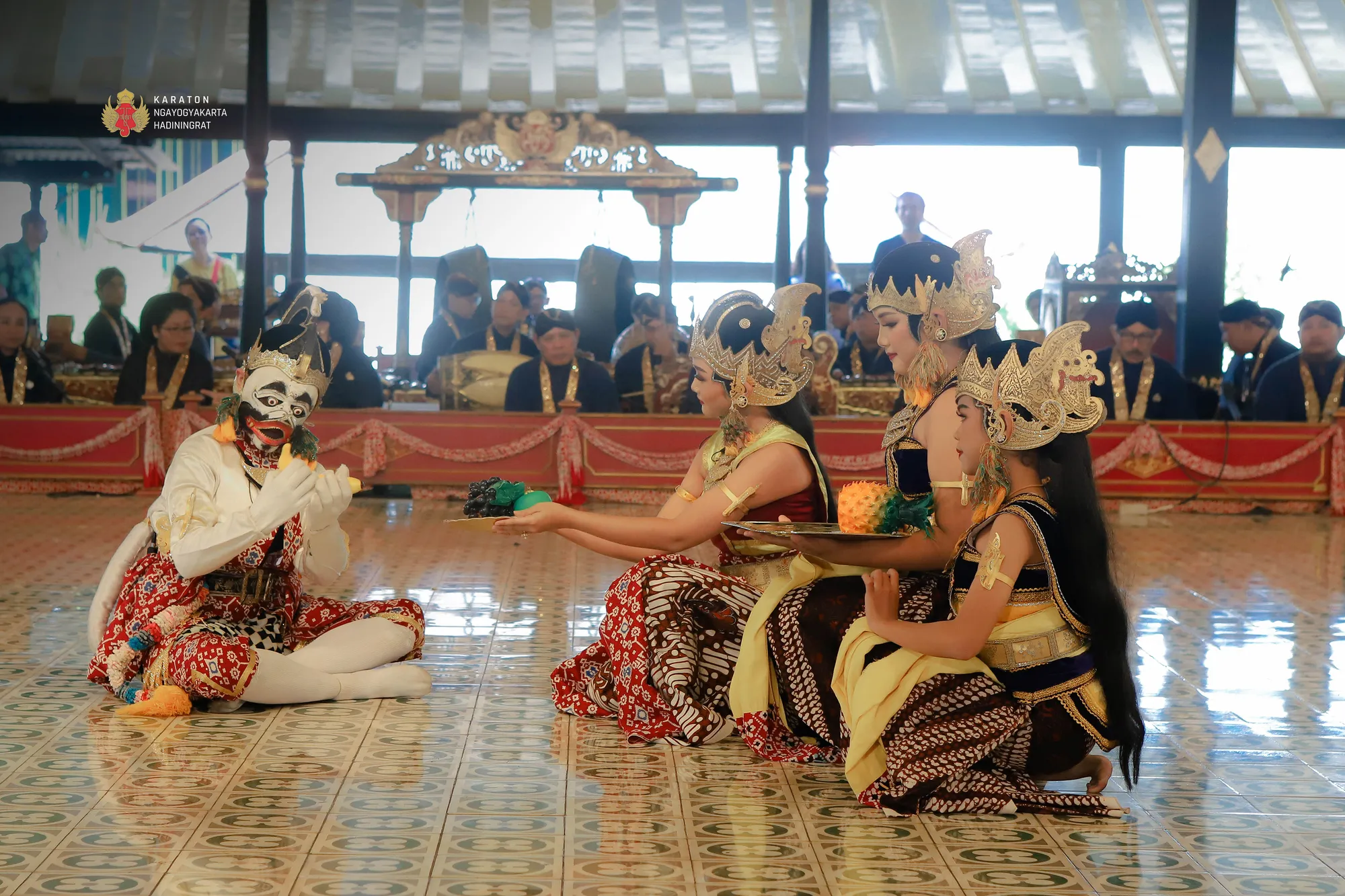
Wayang Wong Fragments are dance-drama performances that present excerpts (lakon) from the Ramayana or Mahabharata epics. This art form combines dance, drama, and Yogyakarta-style Gamelan music (Karawitan).
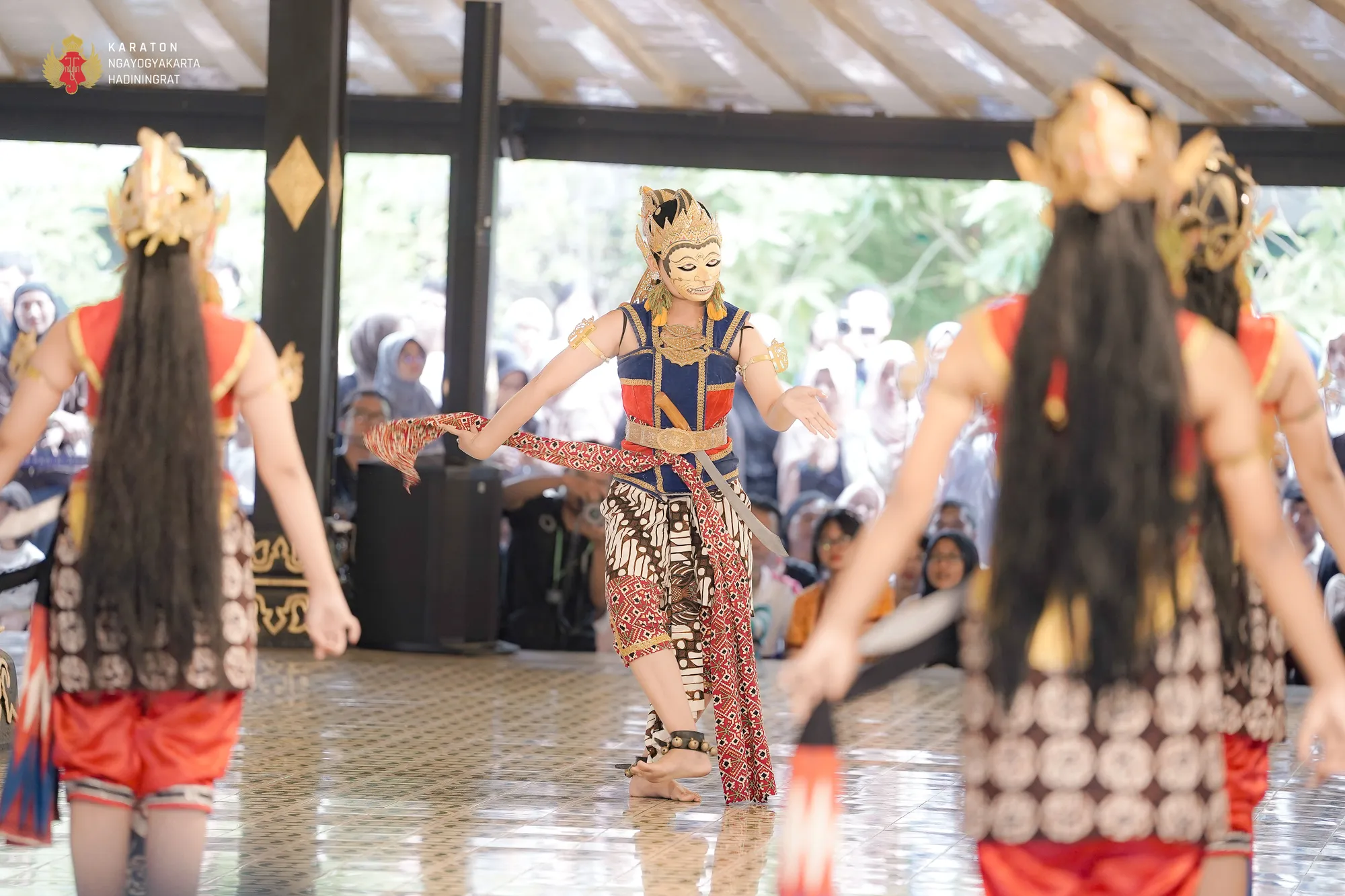
Wayang Wong Fragment is a form of classical performing art staged at the Yogyakarta Palace, presenting epic stories from the Mahabharata and Ramayana, but performed by human actors instead of puppets, as in wayang kulit. The term “fragment” refers to thematically selected scenes—typically focusing on a single significant event—delivered in a concise, aesthetic, and symbolically rich manner.
Within the palace, wayang wong is more than just a dance drama performance. It serves as a medium to reinforce ethical values, leadership, spirituality, and devotion, as reflected in main characters such as Rama, Sinta, Arjuna, or Werkudara. The selected fragments often carry moral teachings relevant to real life, while also portraying the eternal struggle between good and evil within the framework of Javanese culture.
Wayang wong fragments at the palace are performed in a classical dance style with strict adherence to pakem (traditional standards). Every aspect—from the dancer’s body movements, facial makeup, and costumes to the vocal intonations of the characters—is carefully arranged with deep meaning. The performance is accompanied by traditional Javanese gamelan music, enriched with suluk (narrative chants sung by the dalang or selected characters), which creates a dramatic and spiritual atmosphere.
These wayang wong fragments are typically performed during special palace events, such as Jumenengan Dalem (the Sultan’s coronation), Tingalan Dalem (the Sultan’s birthday), welcoming honored guests, or at cultural ceremonies that are open to the public. In this context, the palace serves as a center for the transmission and reinforcement of the noble identity of Javanese performing arts.
The Yogyakarta Palace preserves the tradition of wayang wong through intensive training of abdi dalem dancers and gamelan musicians, and through collaboration with art institutions such as ISI Yogyakarta and local art communities. These wayang wong fragments stand as living proof that refined traditions (tradisi adiluhung) do not fade—they are continually revived in forms that remain faithful to their cultural essence.
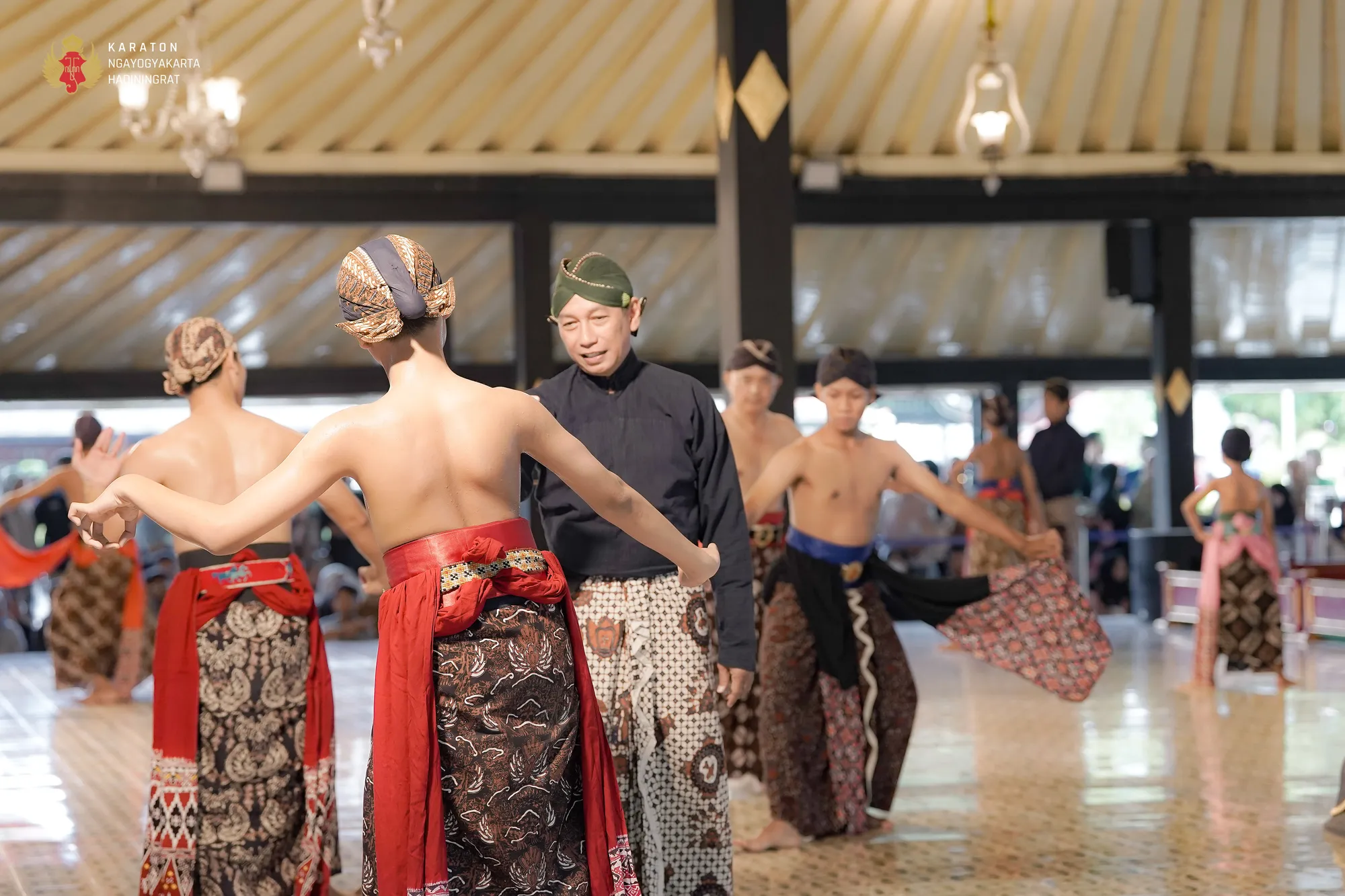
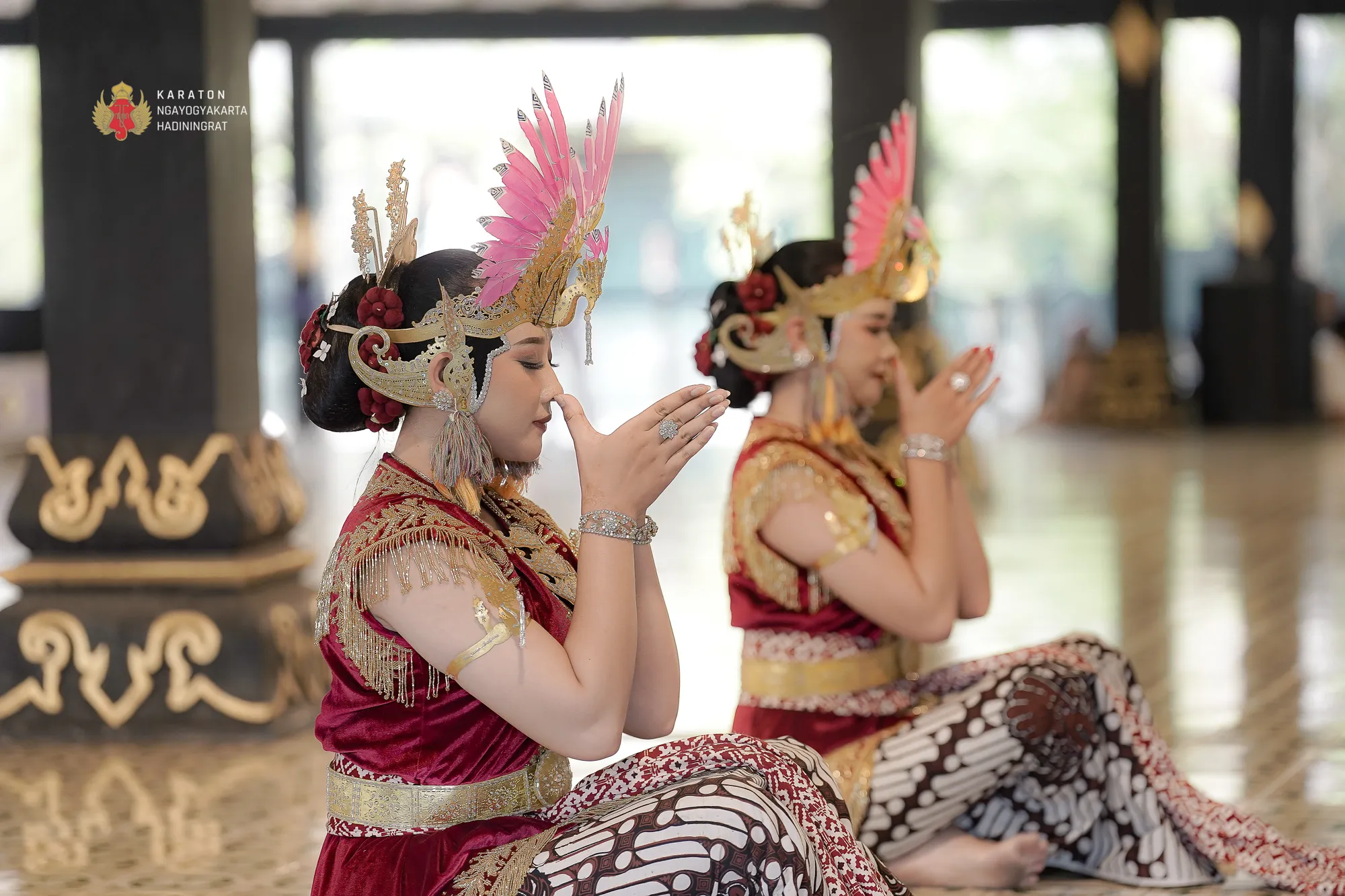
Gladhen Beksan is a classical dance rehearsal session at the Yogyakarta Royal Court. These sessions are open to the public, allowing visitors to watch the practice firsthand and gain insight into the traditional dance training process within the palace.
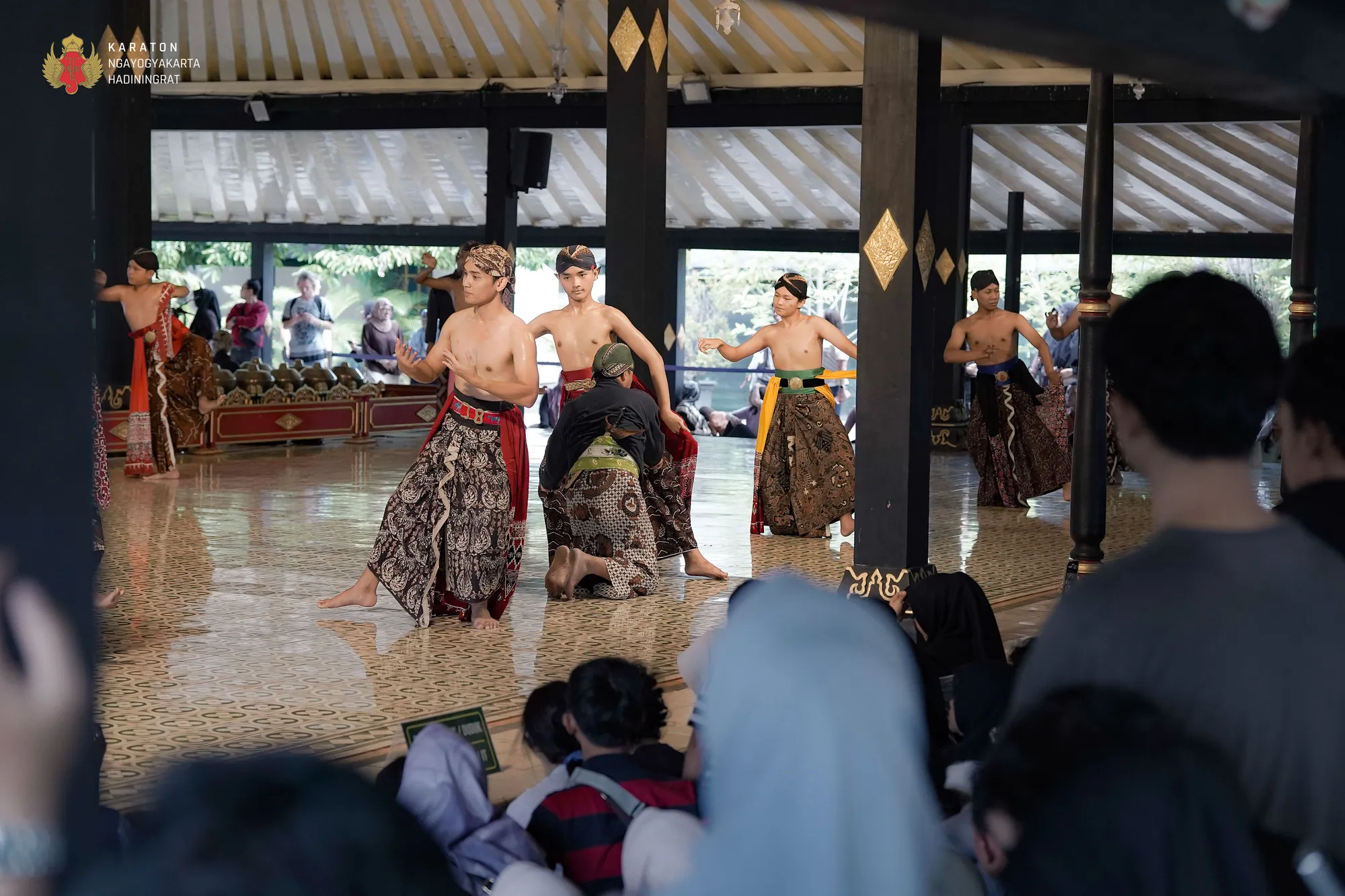
Gladhen Beksan is a classical dance training activity regularly conducted within the Yogyakarta Palace as part of the ongoing efforts to preserve and regenerate the palace dance tradition (beksan). The Javanese word gladhen means to train or to discipline oneself, and in the context of the palace, this activity holds a broader meaning—as a cultural education process, character formation, and the transmission of noble values through the art of movement.
Gladhen Beksan is carried out by abdi dalem (palace servants) from the dance division, as well as selected students who receive direct guidance from senior palace members or recognized master dance instructors. This training is not merely focused on teaching dance techniques, but also on educating participants to understand the Javanese life philosophy reflected in every movement, rhythm, and posture in beksan.
The types of dances studied in Gladhen Beksan include a variety of forms, such as:
-
Beksan Putra: strong and vigorous dances symbolizing leadership and valor.
-
Beksan Putri: refined dances highlighting softness, grace, and etiquette.
-
Beksan Wayang and Beksan Montro: dances derived from wayang epics, serving to convey moral and spiritual teachings.
Training typically takes place in palace pavilions such as Bangsal Manis or Srimanganti, carried out with discipline, deep focus, and in accordance with customs handed down through generations. Often, the results of these training sessions are presented during palace ceremonies or showcased to the public during cultural festivals.
Gladhen Beksan is a tangible manifestation of the Yogyakarta Palace’s commitment to maintaining the continuity of classical dance traditions as part of Javanese cultural identity. Through this activity, younger generations are not only trained to become skilled dancers, but also to become bearers of the noble values embedded in the art of beksan: perseverance, order, harmony, and devotion.
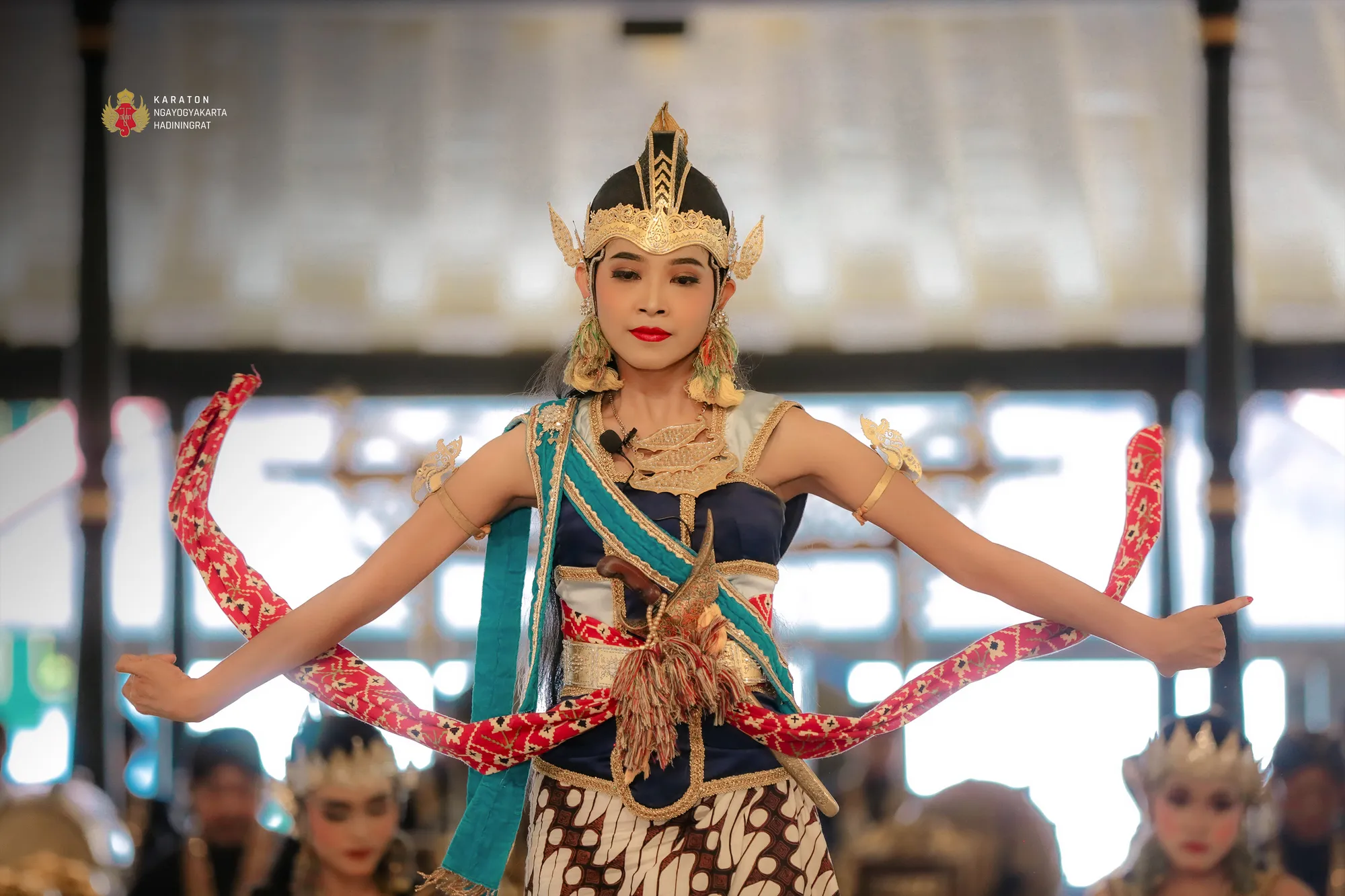
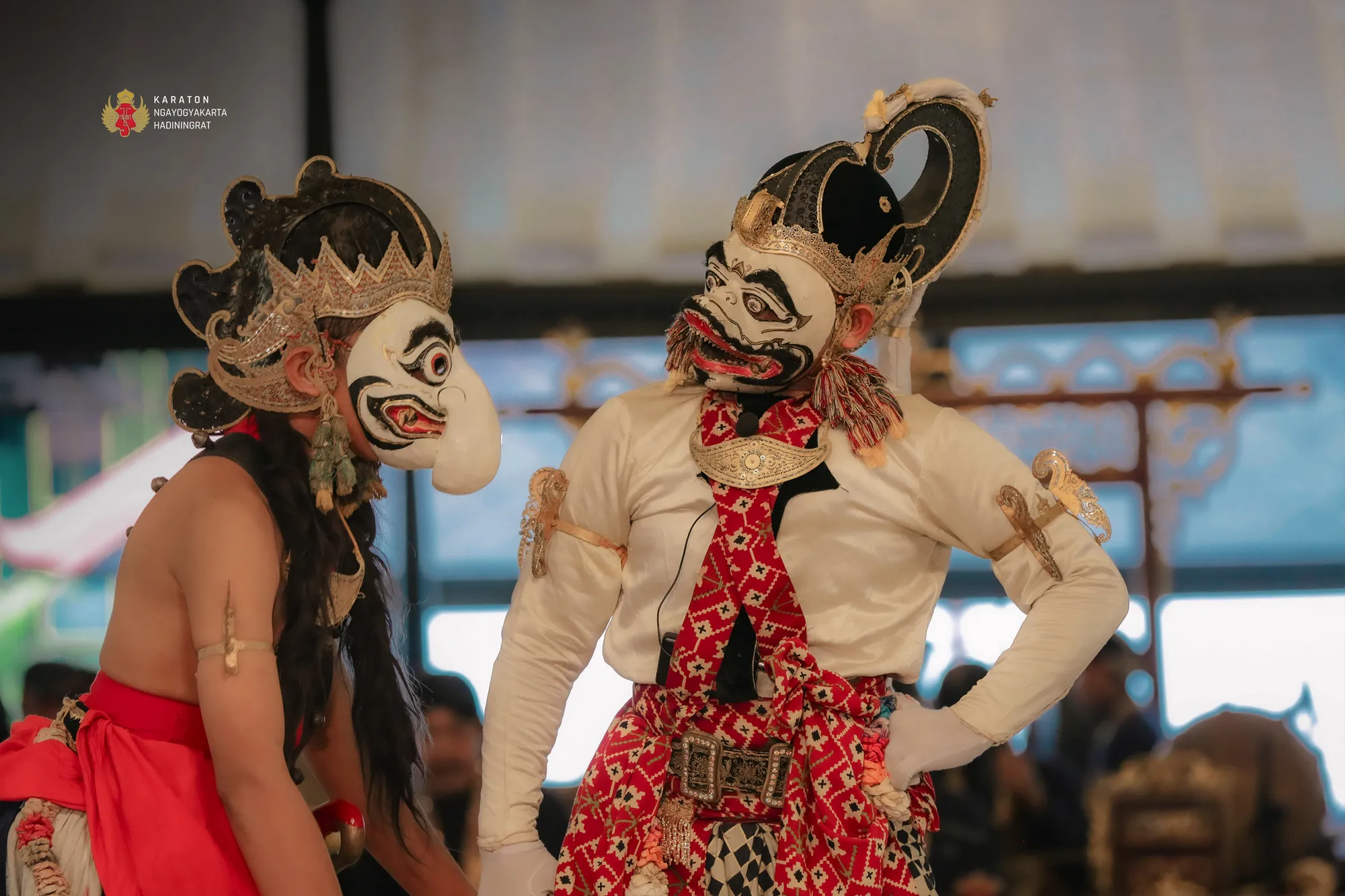
Arjuna meditates at Mount Indrakila in the Mintaraga Cave to seek divine power against evil. Known as Begawan Ciptaning during his penance, he is tested by seductive celestial nymphs and disguised Gods. He passes every trial and is rewarded with the divine arrow, Pasopati.
This story follows Sumantri, a knight serving King Harjumbara in the kingdom of Maespati. Sumantri seeks to marry a powerful princess, Dewi Citrawati. However, he must endure various trials and challenges set by the King, including a humble period serving as a cook. Ultimately, Sumantri proves his loyalty and prowess, earning the right to wed Dewi Citrawati.
This tale recounts the cunning plot of Arya Suman to eliminate Patih Gandamana and seize his position as the Chief Minister of the Hastina Kingdom. While Arya Suman succeeds in his ambition, he is cursed with a hideously disfigured appearance, and his name is changed to Patih Sangkuni.
Pregiwa and Pregiwati are the twin daughters of Arjuna and Dewi Manuhara. Raised in the remote hermitage of Andong Sumiwi, they set out as adults to find their father in Madukara. They are warmly received and introduced to palace life. Later, Pregiwa marries Gatotkaca, while Pregiwati marries Pancawala.
The story of Bima Suci follows Bima’s spiritual quest for the Sacred Water (Tirta Pawitra) under the orders of his teacher, Resi Dorna. Although the mission was a trap intended to kill him, Bima instead discovers true wisdom and self-perfection. This story conveys a deep message about the search for identity and the mystical union between man and God.
This lakon tells of the competition (Sayembara) to win the hand of Princess Siti Sendari. Sarjokesuma, the son of a high-ranking official from Ngastina, faces numerous obstacles and political intrigues in his pursuit. The story highlights the dynamic power struggles within Ngastina.
King Salya grows restless following reports that a figure resembling Arjuna has been secretly visiting the princess's quarters at night. To clear his name from suspicion, Arjuna takes the initiative to track down and capture the real culprit behind the kidnapping of Princess Surtikanti.
Petruk, a beloved Punakawan, demands that King Kresna fulfill an old promise to let him marry the King’s daughter, Dewi Prantawati. Petruk successfully defeats Lesmana Mandrakumara in a contest for her hand. This story celebrates the underdog holding the powerful accountable.
Dewi Srikandhi, the daughter of King Drupada, studies archery under the tutelage of Raden Arjuna. Their master-student relationship blossoms into romance, but they are separated by Dewi Drupadi. Srikandhi returns to her homeland and restores her honor by leading a military campaign against King Jungkung Mardeya.
King Kalimantara desires to wed Goddess Supraba, but his proposal is rejected. In retaliation, he launches an assault on the Heavenly Kingdom. The Gods seek the help of the three sons of Sage Manumayasa. They successfully repel the forces, and King Kalimantara's army transforms into sacred heirlooms (Pusaka) that guard the world's tranquility.
Cantrik Janaloka is a disciple assigned to escort the twin princesses, Pregiwa and Pregiwati, to meet their father, Arjuna. Along the way, he breaks his vow and attempts to seduce them. Rejected and pursued by the sisters, they are later ambushed by the Kurawa. Janaloka dies in battle while attempting to protect the princesses.
Part of the Ramayana epic, King Ramawijaya sends Hanoman, the white monkey general, as an envoy to Alengka to find his kidnapped wife, Dewi Sinta. Hanoman overcomes many perils to deliver Rama’s message and successfully returns with news of Sinta’s safety.
Raden Burisrawa’s obsession with Dewi Sembadra leads him to infiltrate Madukara, resulting in the death of the princess. Her body is set adrift on a river. Antareja finds and miraculously revives her. The story concludes with Arjuna defeating Burisrawa and returning safely to Madukara with Sembadra.
The Astina kingdom sends Raden Dursala to sabotage the Pandawa. Gatotkaca is initially defeated but is healed and gifted the powerful Aji Narantaka spell by Sage Seta. After proving his worth to his new wife, Dewi Sumpaniwati, Gatotkaca faces Dursala again and emerges victorious, slaying him with the Narantaka power.
King Kresna is torn by a profound dilemma: should he march alongside the drums of the Kurawa, or embrace the love and righteousness of the Pandhawa? Burdened by his role as the Preserver of World Peace, Kresna smiles to the world while his heart cries out in silence.
King Nirbita, a powerful giant king, launches an attack on the Heavens to overthrow the Gods. The Gods seek aid from Prince Arjuna. In a fierce battle representing the struggle between greed and virtue, Arjuna ultimately defeats King Nirbita, symbolizing the triumph of truth.
This story depicts the coronation of Gatotkaca as the King of Pringgadani, titled Prabu Anom Kaca Negara. Despite facing a rebellion from his uncle, Brajadenta, Gatotkaca successfully restores peace, symbolizing a young warrior's maturity in embracing leadership.
This story follows the actions of Bambang Megasutha, the son of Gatotkaca, as he enters the battlefield to demonstrate his prowess and devotion. The tale highlights the heroic spirit of the younger generation of warriors in upholding the honor of their ancestors.
This play depicts the rivalry and misunderstanding between two powerful warriors: Gatotkaca and King Sitija. The conflict is often triggered by pride or the pursuit of Princess Siti Sendari. The battle is legendary until King Kresna eventually intervenes to restore peace.
This play tells the story of Arya Suman’s (Sengkuni) betrayal of Gandamana. Suman traps Gandamana in a deadly pit filled with venomous snakes to seize his position. Gandamana miraculously survives and retaliates, leaving Suman permanently disfigured.
This play depicts the conquest of the Surateleng Kingdom by King Sitija. Sitija's motivation is to claim his rightful heritage and seek recognition as the son of Sri Kresna. He successfully defeats the King and seizes powerful divine weapons.
Rambah 1
LAMPAHAN BASUDEWA GROGOL
Rambah 2
LAMPAHAN NARASOMA KRAMA
Rambah 3
LAMPAHAN ALAP-ALAPAN DEWI KUNTHI
Rambah 4
LAMPAHAN GENDARA-GENDARI NGEJAWA
Rambah 5
LAMPAHAN UGRASENA DRUPADA RATU
Rambah 6
LAMPAHAN HARYA PRABU KRAMA
Rambah 7
LAMPAHAN BAKA KRAMA
Rambah 8
LAMPAHAN BIMA BUNGKUS
Rambah 9
LAMPAHAN PERMADI LAIR
Rambah 10
LAMPAHAN BOGADENTA TAKON BAPA
Rambah 11
LAMPAHAN PANDHU LENA
Rambah 12
LAMPAHAN SEMBADRA LAIR
Rambah 13
LAMPAHAN KANGSA ADU JAGO
Rambah 14
LAMPAHAN LENGA TALA
Rambah 15
LAMPAHAN KUMBAYANA NGEJAWA
Rambah 16
LAMPAHAN PENDADARAN SISWA SOKALIMA
Rambah 17
LAMPAHAN EKALAYA
Rambah 18
LAMPAHAN BALE SIGALA-GALA
Rambah 19
LAMPAHAN BIMA BOTHOK
Rambah 20
LAMPAHAN ARIMBI BRANGTI
Rambah 21
LAMPAHAN GUNADEWA LAIR
Rambah 22
LAMPAHAN DRUPADI MURCA
Rambah 23
LAMPAHAN DREDAH WIRATHA
Rambah 24
LAMPAHAN GANDAMANA LENA
Rambah 25
LAMPAHAN GATHUTKACA LAIR
Rambah 26
LAMPAHAN BABAT WANAMARTA
Rambah 27
LAMPAHAN ALAP-ALAPAN RUKMINI
Rambah 28
LAMPAHAN SEMAR BARANG JANTUR
Rambah 29
LAMPAHAN GATHUTKACA RATU
Rambah 30
LAMPAHAN GATHUTKACA TAKON BAPA
Rambah 31
LAMPAHAN SURYATMAJA MALING
Rambah 32
LAMPAHAN DURYUDANA KRAMA
Rambah 33
LAMPAHAN NENGGALA ALUGORA MURCA
Rambah 34
LAMPAHAN BOMA TAKON BAPA
Rambah 35
LAMPAHAN BEDHAH DWARAWATI
Rambah 36
LAMPAHAN SRIKANDHI MAGURU MANAH
Rambah 37
LAMPAHAN BALADEWA MRATAPA
Rambah 38
LAMPAHAN BEDHAH MAGADA
Rambah 39
LAMPAHAN ABIMANYU LAIR
Rambah 40
LAMPAHAN SRIKANDHI KRAMA
Rambah 41
LAMPAHAN ALAP-ALAPAN WANUHARA
Rambah 42
LAMPAHAN RETNA SENTIKA CUKIL
Rambah 43
LAMPAHAN ALAP-ALAPAN PALUPI
Rambah 44
LAMPAHAN ANTAREJA TAKON BAPA
Rambah 45
LAMPAHAN BEGAWAN ADIMURCA
Rambah 46
LAMPAHAN PARTIPEYA KRAMA
Rambah 47
LAMPAHAN NAKULA KRAMA
Rambah 48
LAMPAHAN CIPTANING MINTARAGA
Rambah 49
LAMPAHAN SADEWA KRAMA
Rambah 50
LAMPAHAN BANYU SUCI PERWITASARI
Rambah 51
LAMPAHAN ONTRAN-ONTRAN NGASTINA
Rambah 52
LAMPAHAN BALE KENCANA SAKA DHOMAS
Rambah 53
LAMPAHAN ABIMANYU KRAMA
Rambah 54
LAMPAHAN ALAP-ALAPAN DEWI UTARI
Rambah 55
LAMPAHAN KALABENDANA LENA
Rambah 56
LAMPAHAN DURSALA LENA
Rambah 57
LAMPAHAN KERIS DHAPUR KALAMISANI
-
- Laras Madyo
Bantul - Kusumo Laras
Kota Jogja - Tunggal Jiwo
Bantul - Kridho Matoyo
Kulon Progo - Yayasan Gambirsawit
Kota Jogja - Sekar Rahayu Laras
Sleman - PWRI
Gunungkidul - Mudo Wiromo
Bantul - Mardi Budoyo
Kota Jogja - Laras Pareanom
Kota Jogja - Setyo Arum Budoy
Sleman - Karawitan Anak OCM
Bantul - Sanggar Tunas Budaya
Gunungkidul - Olah Seni
Kota Jogja - Cahyo Raras
Sleman - Langen Raras
Gunungkidul - Lestari Budaya
Bantul - Sanggar Puji Rahayu
Kulon Progo - Sanggar Tirta Kencana
Bantul - Kidung Cakrawala
Sleman - Karawitan Remaja Gongso Nagari
Gunungkidul - Sido Laras
Bantul - Karawitan Banyu Bening
Kulon Progo - Mudo Laras
Sleman - Sedyo Laras
Bantul - Guntur Mataram
Gunungkidul - Harjo Laras
Kulon Progo - Langen Raras
Kota Jogja - Metri Budoyo
Sleman - Karawitan Remaja
Kulon Progo - Karawitan Atmajaya
Gunungkidul - Ambarketawang Laras
Sleman - Langen Abdi Budoyo
Bantul - Langen Kusumo
Kota Jogja - Karawitan Laras Pertiwi
Bantul - Niti Budaya
Bantul - Laras Sworo
Gunungkidul - Ngesti Laras
Gunungkidul - Bale Gamel
Kota Jogja
- Laras Madyo
-
Karawitan SD Muhammadiyah Sapen
Kota Jogja
-
Tantri Kridhamardawa
Kota Jogja
-
Olifant School
Yogyakarta Sleman
-
Karawitan Angkatan Laut
Bantul
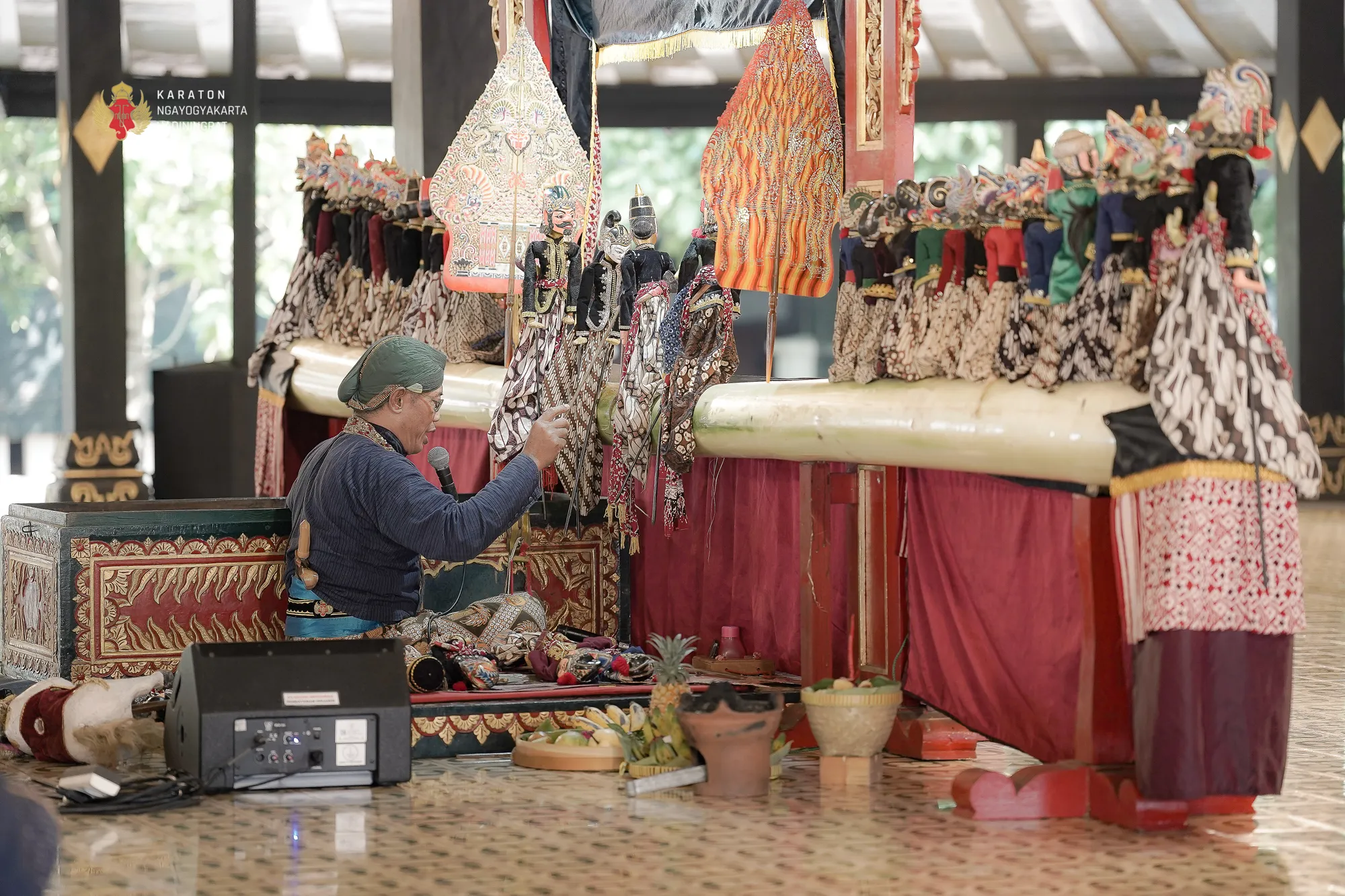
- Ki MB. Cermo Kuncoro
PEPADI Kota Yogyakarta - Ki MB. Cermo Suwondo
PEPADI Kota Yogyakarta - Ki MW. Hartaka Wiguna
PEPADI Kota Yogyakarta - Ki MB. Cermo Kuncoro
PEPADI Bantul - Ki Mg. Ragil Jalu Pangestu
PEPADI Bantul - Ki MB. Cermo Darminto
PEPADI Sleman - Ki MB. Cermo Raharja
PEPADI Sleman - Ki MW. Cermo Baskara
PEPADI Kulon Progo - Ki Mry. Hartaka Wiguna
PEPADI Kulon Progo - Ki Mg. Ragil Jalu Pangestu
PEPADI Gunungkidul - Ki MB. Cermo Sugondo
Sanggar Kademangan
- Alby Ersani
PEPADI Kota Yogyakarta - Satriya Mahawira
PEPADI Bantul - Rama Harya Wijasena
PEPADI Sleman - Eifel Dhimas Nugroho
PEPADI Kulon Progo - Daneswara Swandaru
PEPADI Gunungkidul
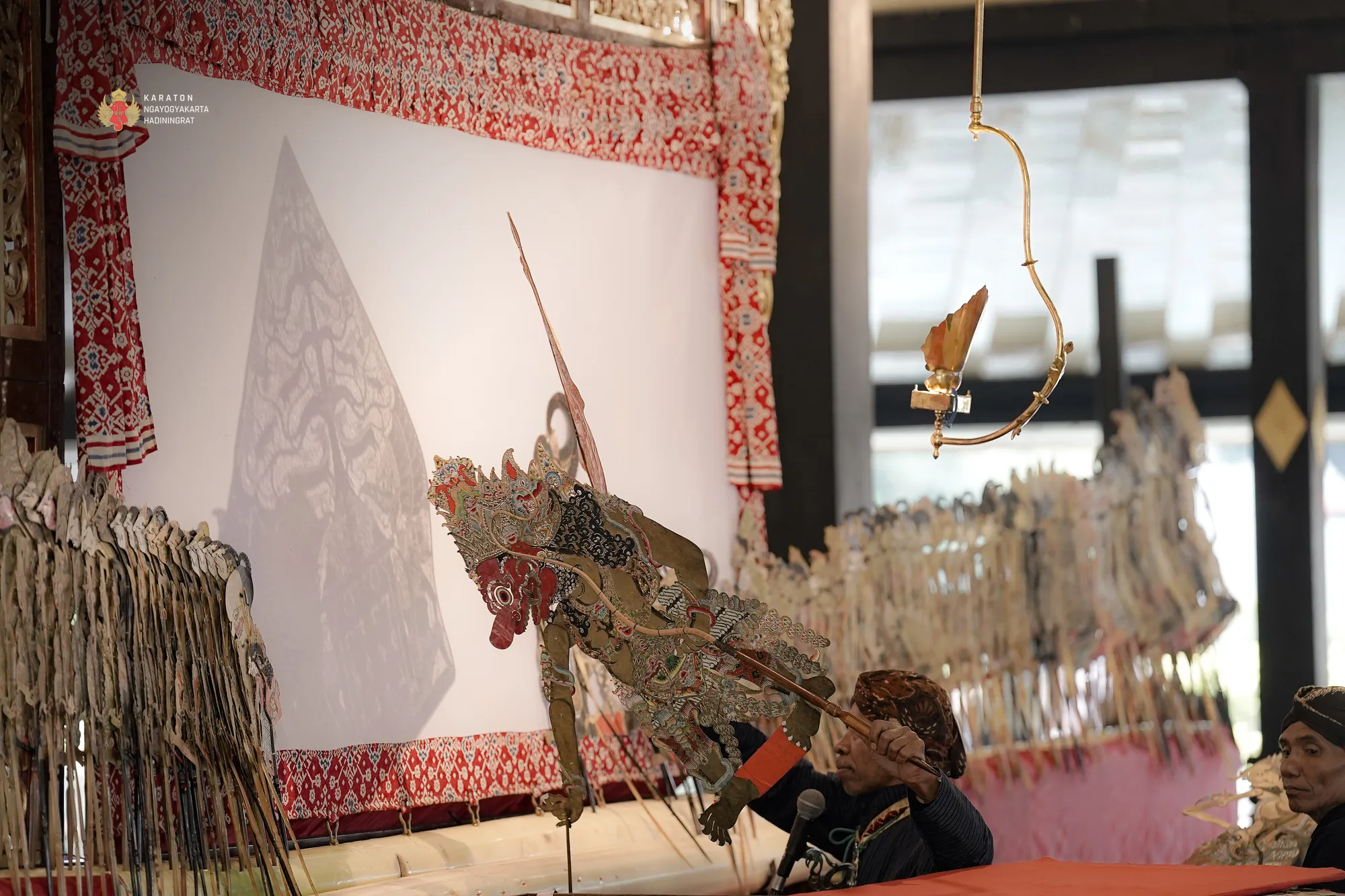
- KMT. Purwohartono
PEPADI Sleman - KRT. Cermo Proboprayitno
PEPADI Gunungkidul - MB. Cermo Briawan
PEPADI Sleman - MB. Cermo Darminto
PEPADI Kulon Progo - MB. Cermo Guno
PEPADI Kota Yogyakarta - MB. Cermo Kuncoro (RB. Cermo Kuncoro)
PEPADI Kota Yogyakarta - MB. Cermo Raharjo
PEPADI Gunungkidul - MB. Cermo Sulino
PRABANDARU - MB. Cermo Suwondo
PEPADI Kota Yogyakarta - MB. Cermo Wignyoutomo
Setya Bekti Nata - MB. Cermogupito
PEPADI Gunungkidul - MB. Cermohadisutoyo
PRABANDARU - MB. Yudo Mintarjo
PEPADI Sleman - ML. Cermo Gundholo
PEPADI Kota Yogyakarta - ML. Cermo Kartika (ML. Cermo Kartiko)
PEPADI Kulon Progo - ML. Cermo Radyoharsono
PEPADI Sleman - ML. Cermohandoko
PEPADI Sleman - ML. Cermoprawiro
Setya Bekti Nata - MP. Cermo Broto
Setya Bekti Nata - MP. Cermo Pragola
PRABANDARU - Mry. Cermo Kondhowijoyo
PRABANDARU - MW. Cermo Baskoro
PEPADI Bantul - MW. Cermo Sutejo
PEPADI Kota Yogyakarta - MW. Dwijasuparman
PEPADI Bantul - MW. Hartokowiguno
PEPADI Kulon Progo - RB. Cermo Wacono
PEPADI Sleman
- Aditya Nicolas B
PEPADI Gunungkidul - Kelvin Albiyansah
PEPADI Gunungkidul - Anggara Pradipta Raehan
PEPADI Bantul - Anom Dwi Prasetyo
PEPADI Kulon Progo - Danangjaya
PEPADI Gunungkidul - Danu Nur Witono
PEPADI Bantul - Agung Sugiarto
PEPADI Bantul - Ilham Wisnu P
PEPADI Kota Yogyakarta - Pandu Winata
PEPADI Kota Yogyakarta - Ivo Lanta Sang Kesawa|
PEPADI Kota Yogyakarta - Pandu Pamungkas
PEPADI Kulon Progo - Reiki Desta
PEPADI Kulon Progo - R. Bagas Manjer Kawuryan
PEPADI Sleman
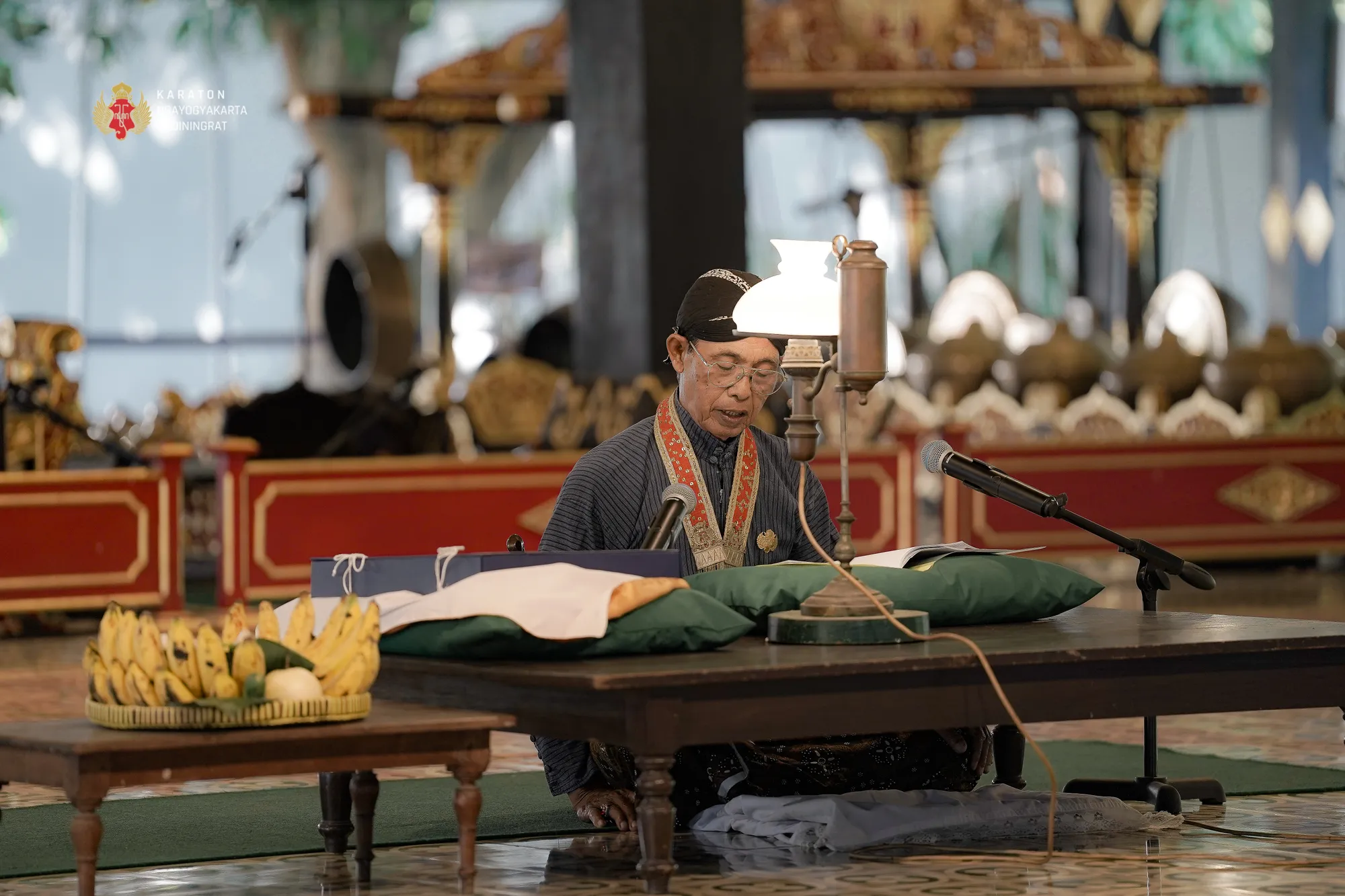
- Panggung Raras Budaya
Bantul - Ngambar Arum
Kota Jogja - Sekar Tamansari
Bantul - Sekar Arum
Gunungkidul - Pametri Budaya Jawi Ambarrukma
Sleman - Anggara Kasih
Kulonprogo - Sekar Manunggal Sleman Sembada
Sleman
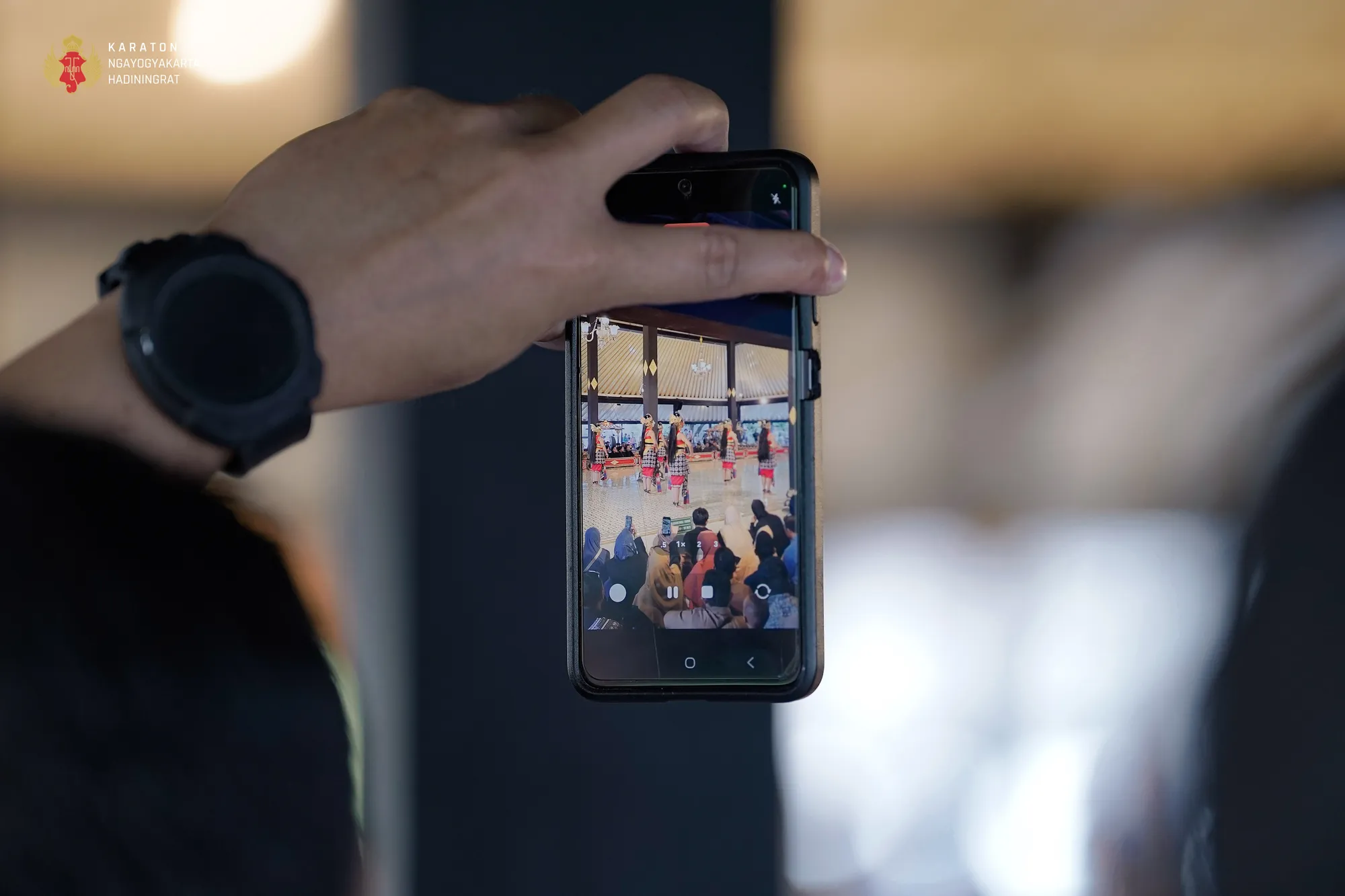
- Yayasan Pamulangan Beksa Sasminta Mardawa (YPBSM)
Kota Jogja - Krida Beksa Wirama
Kota Jogja - Sanggar Tari Wiraga Apuletan
Kota Jogja - Siswa Among Beksa
Kota Jogja - Paguyuban Kesenian Suryokencono
Kota Jogja - Bale Seni Condroradono
Kota Jogja - Paguyuban Seniman Tari Bantul (PSTB)
Kota Jogja - Pusat Olah Seni Budaya Retno Aji Mataram
Kota Jogja - Yayasan Irama Tjitra
Kota Jogja - Forum Seni Tari Gunungkidul (FORSETA HANDAYANI)
Gunungkidul - Seniman Seniwati Kabupaten Kulonprogo (SENIKU)
Kulonprogo - Praja Beksa Sleman Sembada (Praba Sembada)
Sleman
- Akademi Komunitas Seni Budaya Yogyakarta
Bantul - FSP ISI Yogyakarta
Bantul - Pendidikan Seni Tari FSBS UNY
Kota Jogja - SMKI Yogyakarta
Bantul - UKM Swagayugama UGM
Kota Jogja
Working in parallel with the management team to arrange the schedules for the performers in Sri Manganti, while assuring performances quality stays in sync with the guideline of Karaton Ngayogyakarta Hadiningrat.
M.Riyo Susilomadyo
MB. Cermosugondo
KRT. Cermoproboprayitno
KMT. Projosuwasono
KMT. Suryowaseso
Tourism Information
Operational hours
Sunday
09:00 - 11:00
Monday
Closed
Tuesday
09:00 - 11:00
Wednesday
09:00 - 11:00
Thursday
09:00 - 11:00
Friday
09:00 - 11:00
Saturday
09:00 - 11:00
Location
Jl. Rotowijayan Blok No. 1, Panembahan, Kecamatan Kraton, Kota Yogyakarta, Daerah Istimewa Yogyakarta